

Vinyl siding: how to clean it?
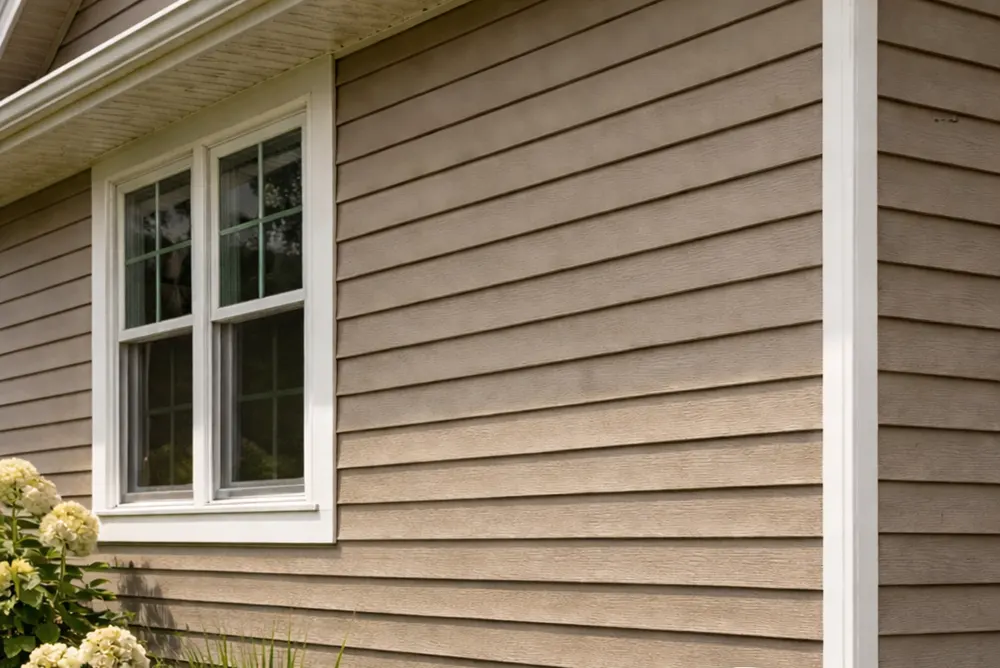
Vinyl siding can last 30–50 years – but only with proper care. Many homeowners consider it “maintenance-free,” but neglecting regular cleaning and basic prevention leads to hidden problems: mold behind the panels, weakened locking systems, and warping.
Our specialists understand siding construction from the inside out. We’ve put together a detailed guide explaining which products clean effectively without damaging the surface, how to avoid common mistakes, and why one improper wash can end up costing you a full façade repair.
Why Does Siding Get Dirty?
- Dust, soot, and road grime – especially if you live near a busy street or construction site.
- “Chalking” – a dull grayish haze that appears on painted vinyl due to UV exposure. This isn’t a defect, but a natural result of pigment aging.
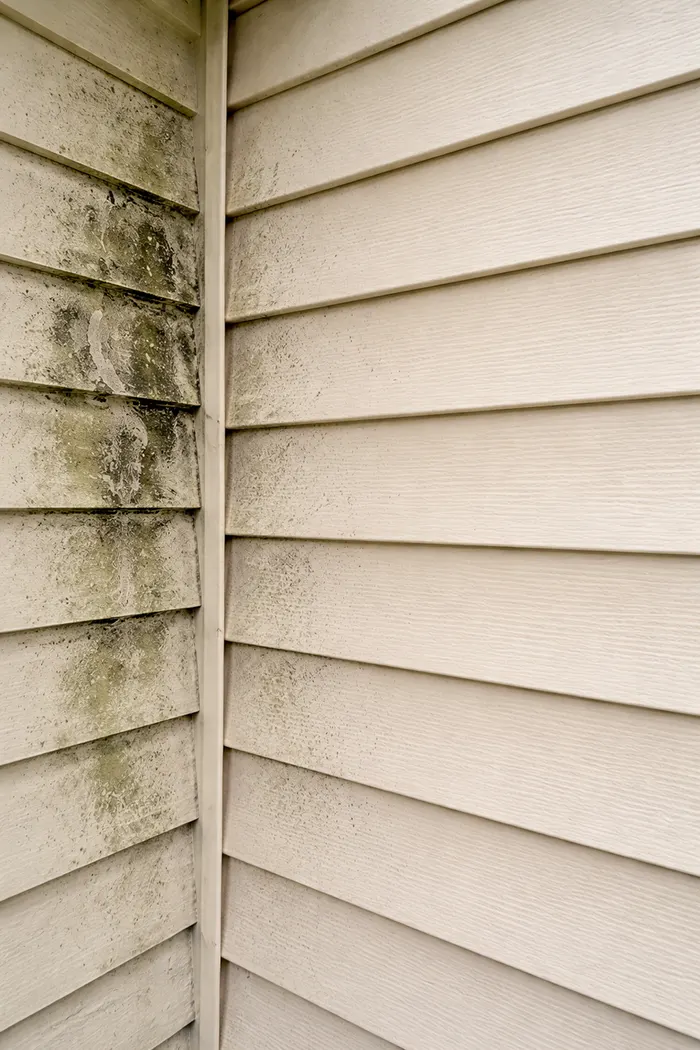
- Green and black streaks – most often not mold growing on the vinyl itself, but algae, lichen, or mildew feeding on a layer of organic debris. They’re especially common in shaded areas under eaves, near gutters, and on the north-facing side of the house.
- Insect residue and tree sap – if your yard has a lot of bugs, their remains can leave sticky spots that attract even more dirt over time.
Why does this matter? Because the type of buildup directly determines the proper cleaning method. Blasting dirt off with high pressure risks damaging the siding’s locking system, while trying to remove mildew with plain soapy water is ineffective.
So how can you deal with the buildup in a single weekend?
Best Way to Clean Vinyl Siding
Hand washing with a mild cleaning solution is the safest and most effective way to clean vinyl siding. The material doesn’t require aggressive force, which is why professionals consistently recommend manual cleaning. It eliminates the risk of damaging the siding’s locking joints under water pressure.
To break down dirt and buildup, mild surfactants are used, since they clean effectively without compromising the structure of the panels.
Required Materials and Tools:
- A garden hose with a “soft spray” nozzle (disperses water in a wide fan instead of a strong stream)
- A soft-bristle brush with a long handle (no metal bristles – they damage the protective layer and accelerate fading) and a bucket
- Professional cleaners labeled “mild surfactant + biocide” (such as Simple Green Oxy Solve or Wet & Forget Outdoor), which require:
- Checking compatibility with your specific type of siding
- Strict adherence to the recommended dilution ratio (overconcentration can cause damage)
- Protecting plants and the foundation from runoff during application
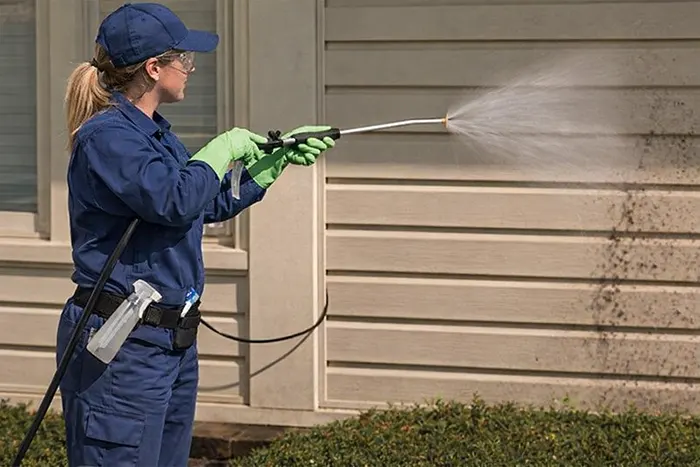
In many cases, it’s safer to hire a certified soft wash specialist – especially if there is biological growth (mold or mildew) on the façade, the house is more than one story tall, or the siding is still under warranty.
Professionals:
- Carry liability insurance in case of property damage
- Use pressure-controlled equipment (under 500 PSI for vinyl)
- Provide workmanship warranties (typically 6–12 months against recurring buildup)
Best Solution to Clean Vinyl Siding
Vinyl siding manufacturers such as Alside and Mastic are unanimous: about 90% of dirt buildup is surface-level. Even so, proper cleaning methods are still essential. Vinyl is chemically inert, which means harsh chemicals won’t improve results – but they can damage the protective layer.
It’s best to use specialized cleaners designed specifically for PVC. They’re effective, safe for the material, and help save time.
Specialized Cleaners for Different Types of Buildup
- Mold and mildew (light staining) – Fantastik or Windex. Effective against biofilm without harsh chemical action.
- Set-in stains (oil, sap, heavy grime) – Murphy Oil Soap or Lestoil. Remove greasy and organic residue without leaving sticky films.
- Chewing gum, chalk, paint marks – Soft Scrub. A mild abrasive that is safe for vinyl when used carefully.
- Automotive grease, motor oil – Lysol or Fantastik. Quickly break down petroleum-based stains.
Household Alternatives: A Practical Option
If you don’t have specialized cleaners on hand, proven household substitutes can work – provided you follow proper dilution guidelines:
- Mild dish soap – A basic surfactant that removes dust, insect residue, and light organic buildup. Mix 1 part soap with 5 parts warm water.
- Vinegar (5–7%) – Effective against algae, but does not kill spores. Use for prevention, not for treating advanced mold growth.
- Bleach (10%) – Acceptable only for spot-treating severe stains in shaded areas. Do not use more than once a year – chlorine degrades UV stabilizers.
What to Avoid – Even If “Everyone Does It”
- Ammonia and harsh solvents (such as Goo Gone or Krud Kutter) – Leave the surface sticky and attract dirt.
- Abrasive powders – Scratch the microtexture, accelerating dust accumulation.
- Undiluted acids or alkalis – Disrupt the stabilizer balance in PVC compounds.
- Never mix bleach with vinegar or ammonia. This is hazardous.
Important
If black stains return within 2–4 weeks, the issue isn’t the siding – it’s moisture trapped behind the façade. This may indicate poor ventilation, a roof leak, or condensation within the framing system. In such cases, cleaning alone is ineffective unless the moisture source is eliminated.
Our specialists at Yukor Construction LLC can perform a full façade system inspection to determine whether repairs to the underlying structure are required.
Pressure Washer or Garden Hose: which one to choose?
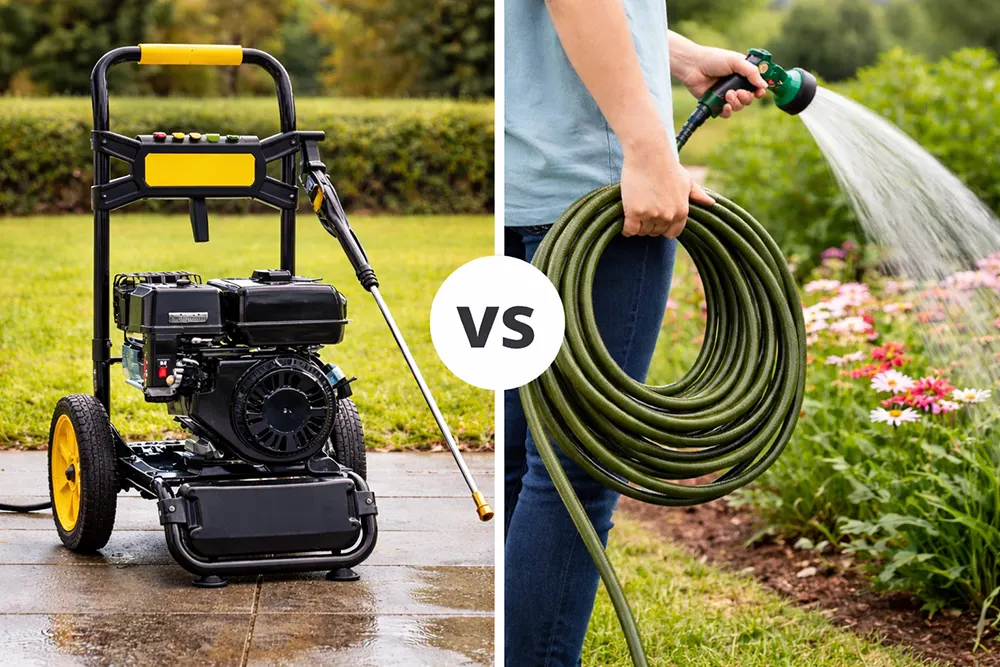
In most residential situations, a garden hose is the correct choice. A pressure washer is acceptable only in strictly limited circumstances.
- The primary mistake when cleaning vinyl siding is trying to “blast” the dirt off with force. Instead of achieving a better result, you risk forcing water behind the panels. Trapped moisture can lead to rotting of the furring strips, deterioration of insulation, and hidden mold growth. This type of damage is concealed and may not become visible for months or even years.
- The second common mistake is using a consumer-grade pressure washer without precise control over pressure and spray angle. Even brief contact with a siding lock joint can compromise the panel’s attachment.
Why is a garden hose the baseline solution? It provides full control over water flow and does not create mechanical stress on the panels. Cleaning vinyl siding should rely on proper chemistry and dwell time – not on water pressure.
How to Choose the Right Cleaning Tool?
Choose a garden hose if:
- The façade is over 10 years old or the condition of the locking joints is questionable
- There is shade, high humidity, or biological buildup
- Regular preventive cleaning is needed
A pressure washer may be considered if:
- The area is small, flat, and securely fastened
- The pressure can be reduced to a safe level
- You can precisely control the spray angle and distance
Important: a garden hose typically operates at 30–150 PSI, while consumer pressure washers run in the 1,300–3,000 PSI range. Even when you increase the distance or use a regulator, the actual pressure at the surface remains several times higher than that of a hose – and can easily exceed safe limits for vinyl siding.
Checklist: How to Use a Pressure Washer
- Use the lowest possible pressure – the spray should rinse, not strike the surface
- Use only a wide fan tip; maintain a distance of at least 24 inches (60 cm)
- Spray from top to bottom at a 30–45° angle – never into joints or upward from below
Professional practice: even when using a pressure washer, specialists first apply a cleaning solution with a brush, allow it to dwell, and only then rinse with minimal pressure. This reduces the need for forceful cleaning.
How to protect vinyl siding from discoloration?
-
Avoid chlorine-based cleaners for routine maintenance
If their use is unavoidable, apply them no more than once a year and rinse thoroughly afterward. -
Clean the façade preventively – before heavy buildup appears
Dust and biofilm increase surface heating under sunlight. Regular gentle washing (once or twice a year) helps preserve the original factory color for longer.
Professional Siding Care for 30+ Years
Annual Inspection – Not Just Visual, but Hands-On
Each spring, check:
- Whether any panels feel loose when lightly pressed
- Whether dark panels show signs of white chalking
- Whether microcracks have appeared near bends or around windows
Maintain the Gutter System – It Protects Your Siding
Clogged or leaking gutters direct streams of water straight onto the lower panels. Clean gutters twice a year – once in spring and again after leaf season.
Keep Plants at Least 12 Inches (30 cm) Away from the Wall
Branches rubbing against siding can scratch the surface in windy conditions. Dense shrub shade also creates constant moisture zones – ideal for mold growth.
Avoid Concentrated Heat Reflection
Reflected sunlight from neighboring windows, solar panels, or smooth surfaces can locally melt vinyl. To protect the façade, install a mesh shade screen 6–12 inches (15–30 cm) from the wall. If the reflection comes from your own windows, apply a matte window film.
Do Not Paint Vinyl Siding – Replace It Instead
Unlike wood or fiber cement, vinyl is not designed to be painted. Paint does not “breathe,” cracks with thermal expansion, and accelerates overheating. Replacing damaged sections is more effective than masking problems with paint.
Important
In Pennington, the team at Yukor Construction LLC provides professional vinyl siding installation and repair, as well as gutter cleaning and maintenance.
If you’re dealing with the consequences of improper vinyl siding cleaning – or want to prevent them – we’re here to help.