

Chimney Flashing Repair & Installation in New Jersey
Our team provides chimney flashing repair and roof leak correction across Central New Jersey.
- Fast-response roof leak service after storms and heavy rainfall
- Full chimney flashing inspections with clear repair planning
- Custom-fitted metal waterproof systems for brick structures
- Moisture tracing to locate concealed roof penetration leaks
- Copper, aluminum, and steel metal fabrication and installation
- Local roofing specialists working across New Jersey communities
Call now for a free chimney flashing inspection and estimate.
Why Homeowners Choose Yukor Construction
Yukor Construction provides chimney flashing and roof leak repair services for homeowners across Central New Jersey using durable installation methods focused on long-term weather protection rather than short-lived surface fixes.
- Skilled roofing crews with roof transition waterproofing experience
- Detailed leak investigation and moisture assessment
- Premium-grade waterproof metal materials
- Organized construction practices and clean work areas
- Residential roof penetration repair specialists
- Precision flashing integration techniques
- Straightforward repair guidance without pressure
- Fully insured New Jersey roofing professionals
We understand how New Jersey weather affects roofing systems and install roof transition systems designed for long-term durability.
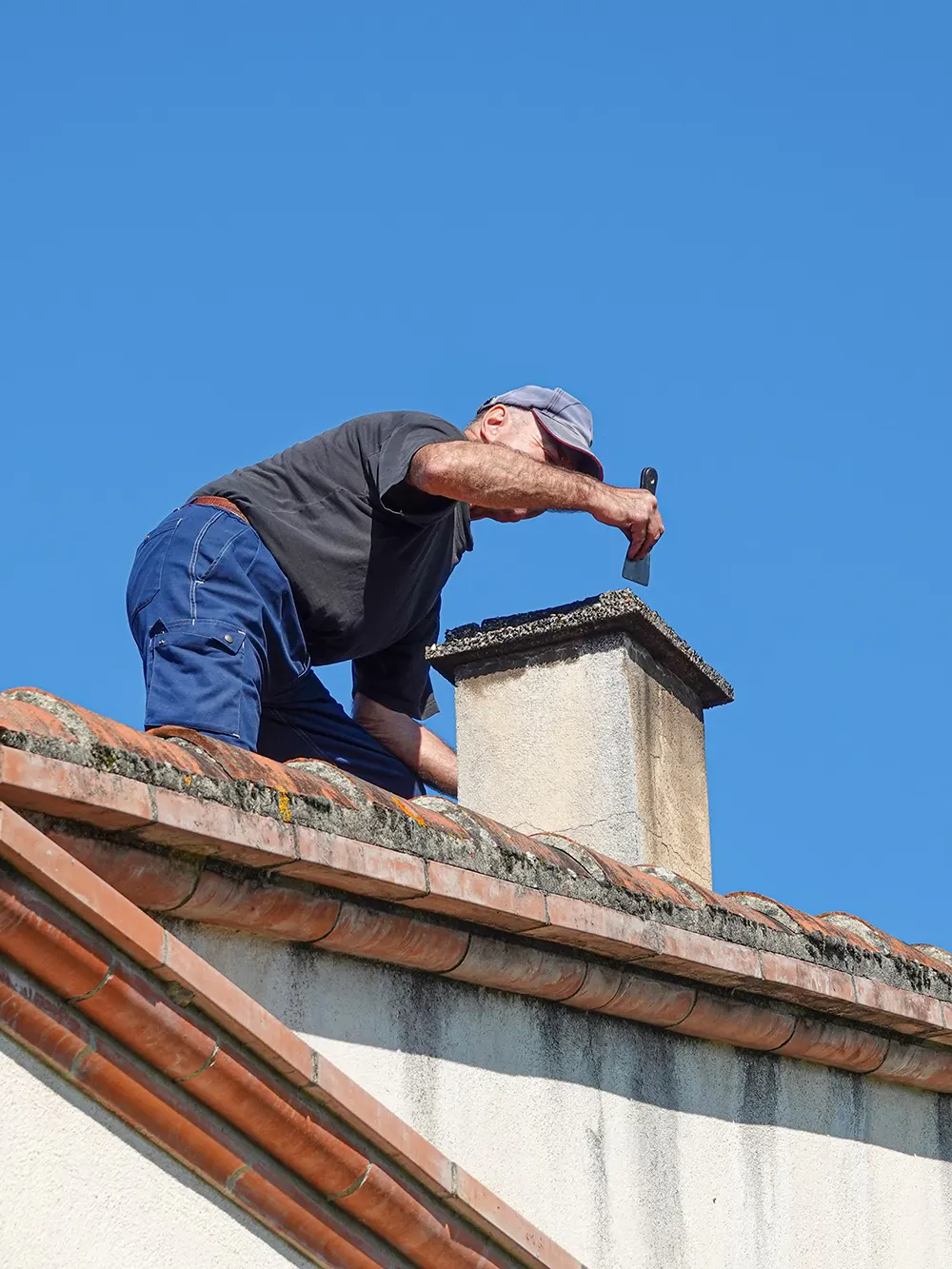
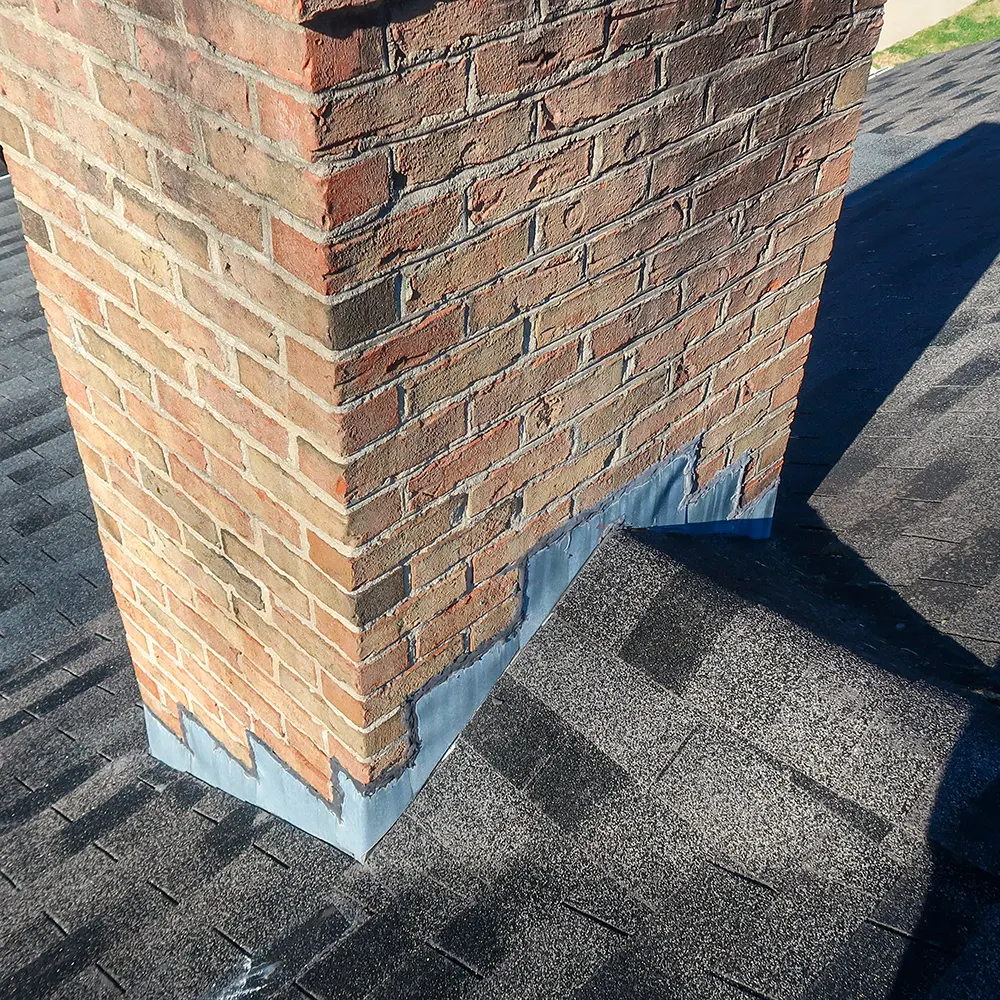
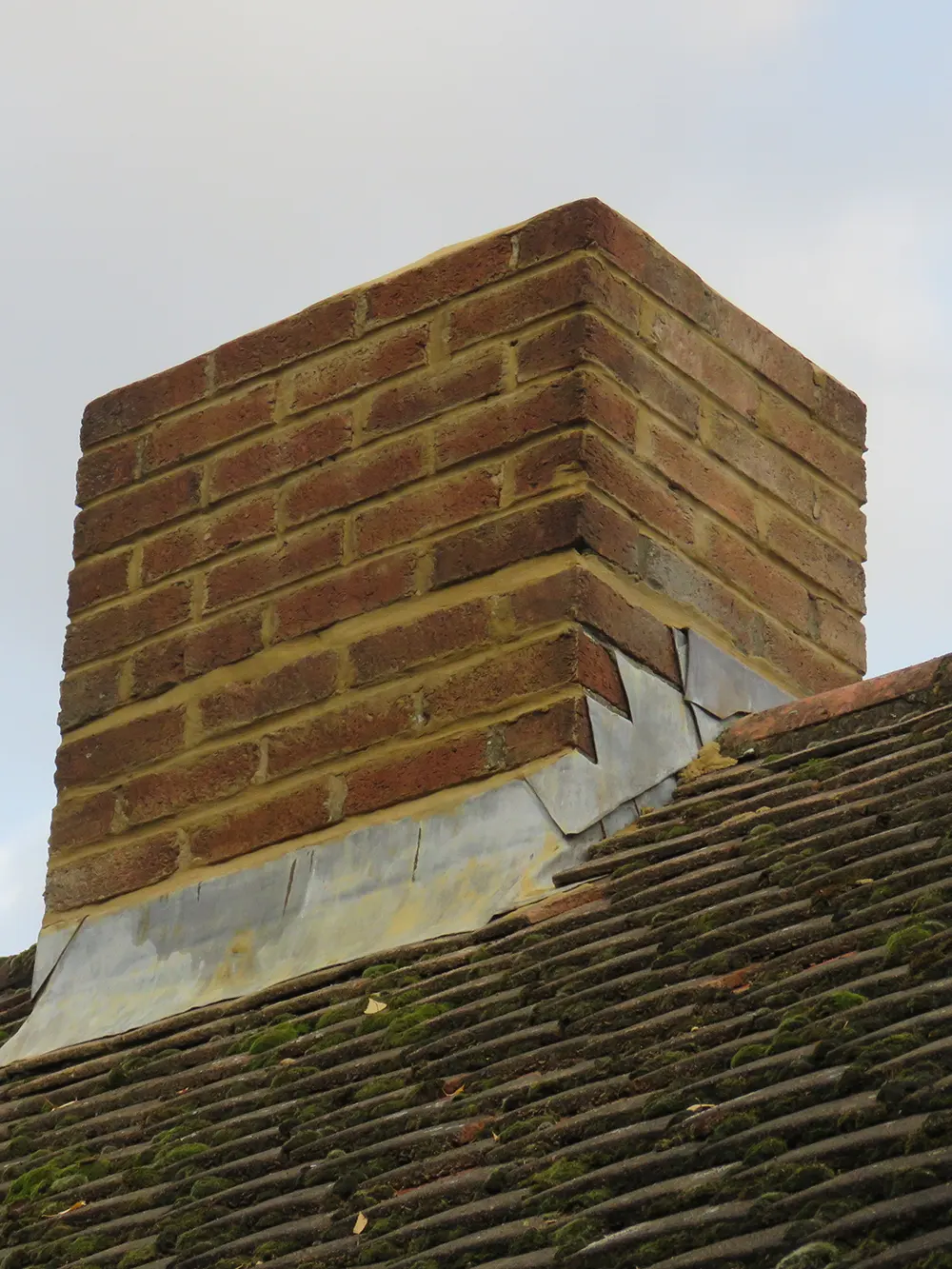

Signs Your Chimney Flashing System May Be Breaking Down
Water intrusion near a chimney usually develops slowly over multiple seasons. Repeated temperature swings, roof movement, moisture exposure, and deterioration gradually weaken the metal transition system surrounding the masonry base.
In many New Jersey homes, leaks begin where roofing surfaces connect to brick masonry and water starts bypassing worn metal overlaps or deteriorated waterproof joints.
Common warning signs include:
- Dark moisture rings near fireplaces or upper-story ceilings
- Water entering the attic during wind-driven rainstorms
- Rust streaks forming around metal connections
- Sealant splitting along masonry reglets and flashing joints
- Shingles loosening near roof penetration areas
- Damp insulation surrounding the chimney structure
- Bubbling drywall or peeling paint near ceiling corners
- Visible separation between metal flashing and brick surfaces
- Persistent musty odors caused by hidden moisture accumulation
Even minor metal transition movement can eventually create a direct pathway for water intrusion beneath the roofing system. Once moisture reaches the decking layer, hidden deterioration often spreads much farther than homeowners initially expect.
Chimney Transition Failures Commonly Found During Roof Inspections
During chimney leak inspections, our crews often discover multiple waterproofing failures hidden beneath shingles, siding intersections, and old patch repairs. In many cases, the visible leak inside the home is only a symptom of deeper deterioration surrounding the roof penetration.
Unlike standard roof surfaces, chimney transitions combine masonry, metal, underlayment, shingles, fasteners, and sealants in one concentrated area. When even one of these components breaks down, moisture can begin entering the roofing assembly.
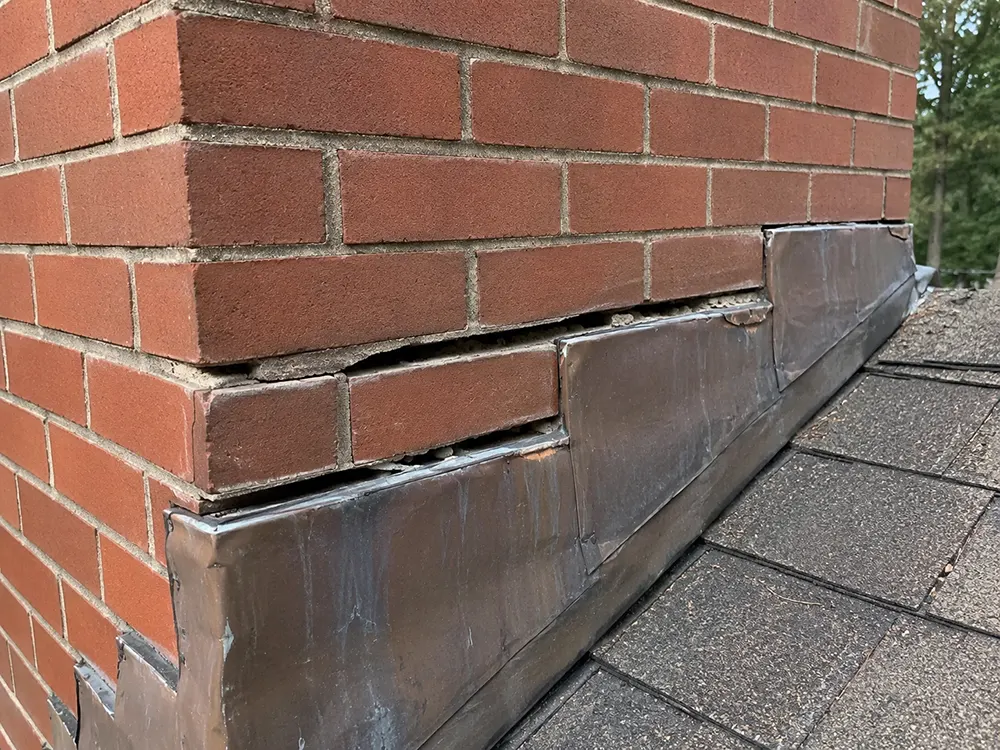
Separated Counter Flashing Channels
Upper transition metal is embedded into masonry joints to shield the upper edge of the waterproof transition. Over time, mortar erosion, thermal expansion, and structural vibration may loosen these embedded sections and create open channels where rainwater can enter behind the metal.
This condition is especially common on older brick structures throughout Central New Jersey where mortar joints have experienced years of freeze-thaw stress.
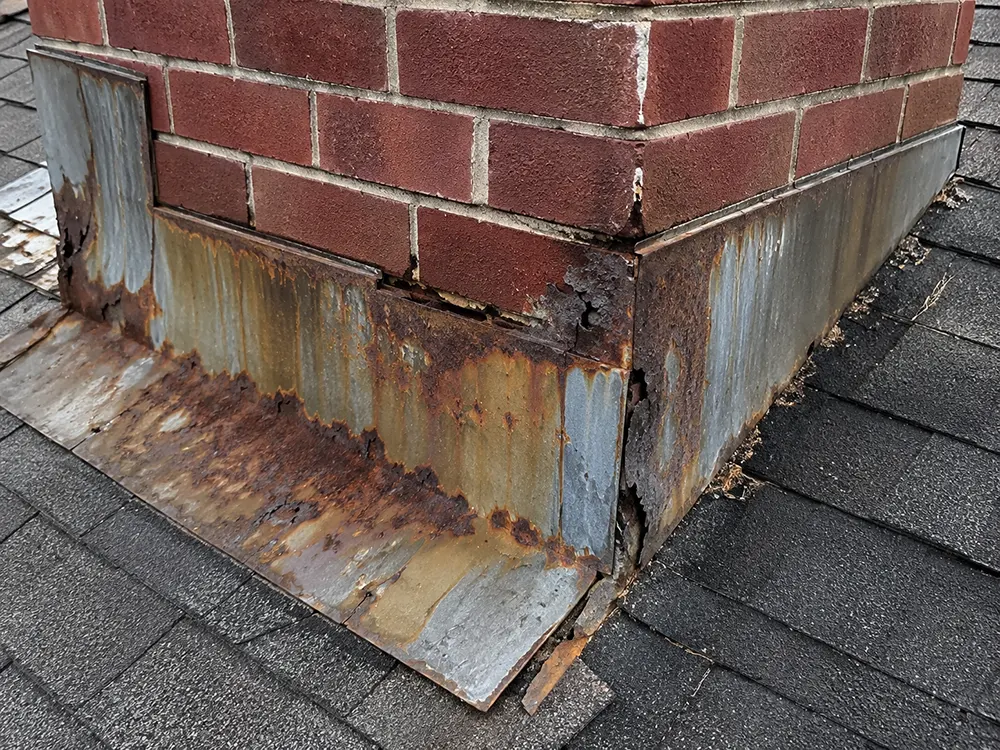
Corrosion Along Roof Penetration Metal
Many older flashing systems were fabricated from thin galvanized steel that gradually oxidizes after long exposure to trapped moisture and seasonal condensation. Once protective coatings begin wearing away, corrosion spreads quickly across exposed metal edges and fastening points.
As the metal weakens, water can migrate through pinholes, seam gaps, and deteriorated overlap areas surrounding the masonry base.
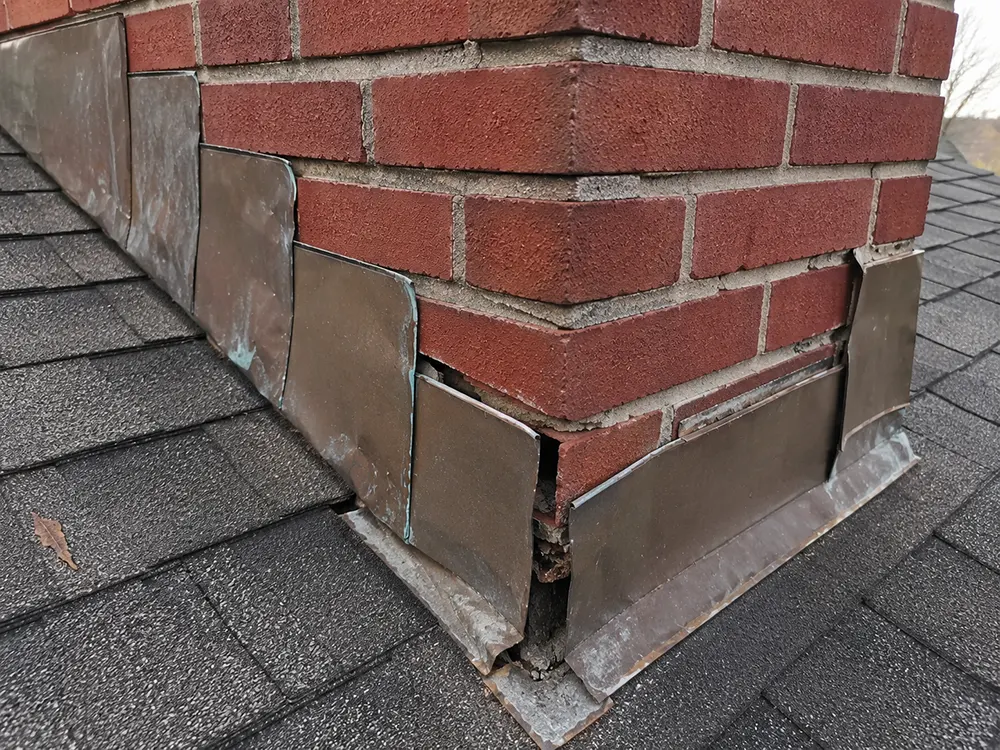
Incorrectly Layered Step Flashing
Step flashing must follow a precise overlapping sequence between each shingle course and vertical chimney surface. Improper sequencing often allows runoff to bypass the drainage path and move beneath the roofing materials.
Our inspections frequently uncover:
- Missing layered transition metal sections
- Oversized gaps between metal pieces
- Improper nail placement near water channels
- Roofing cement used instead of metal integration
- Incomplete overlap between shingle courses and flashing edges
These shortcuts often lead to recurring leaks during wind-driven storms.
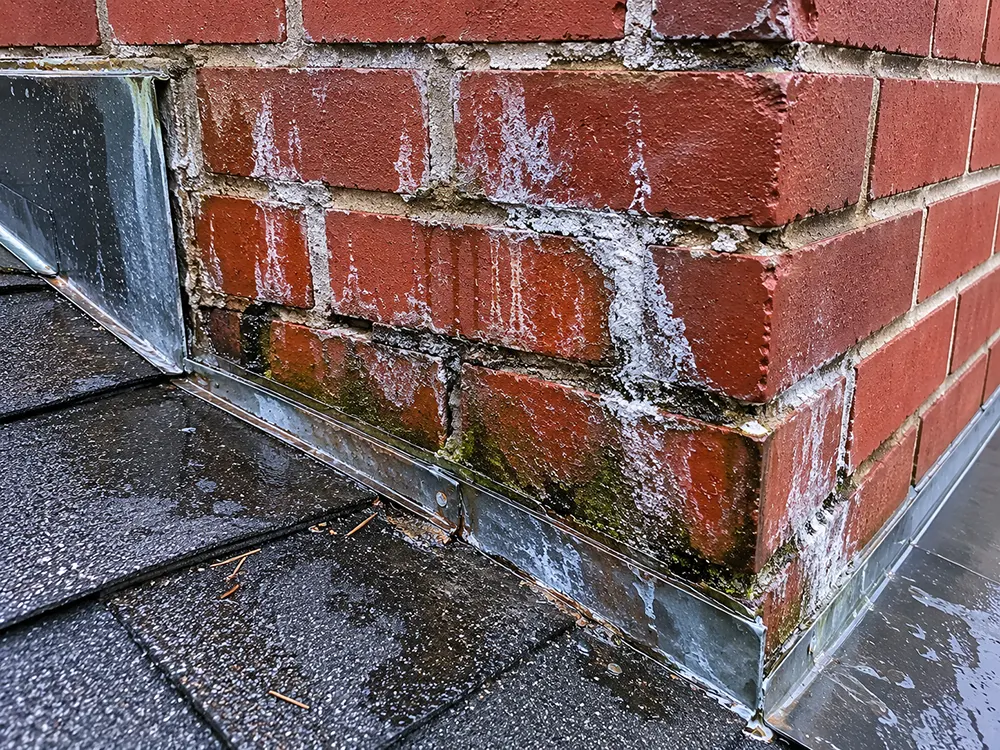
Moisture Intrusion Around Masonry Surfaces
Brick chimneys continuously absorb moisture through porous mortar joints and exposed masonry surfaces. During winter freeze cycles, trapped moisture expands internally and gradually weakens surrounding waterproof transition points.
As roofing materials and masonry expand at different rates, narrow separation gaps can develop between the masonry wall and flashing system. Water entering these areas may travel beneath underlayment layers long before interior staining becomes visible.
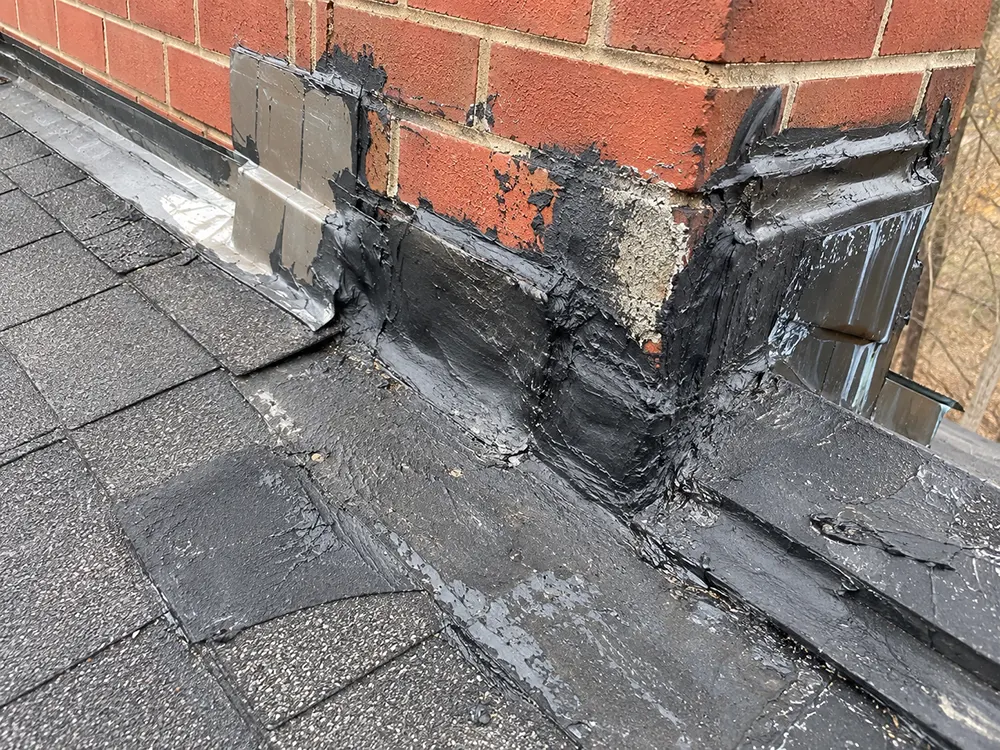
Improper Temporary Leak Repairs
Many roof transition leaks have already been patched multiple times before professional repairs are performed. Surface caulking, roof tar, spray sealants, and exposed roofing cement often hide the real problem rather than correcting the failed transition system underneath.
Temporary repairs frequently trap moisture beneath roofing materials and accelerate hidden deterioration around the roof penetration.
Storm-Related Chimney Flashing Damage
Strong wind gusts, falling branches, ice accumulation, and rapid temperature shifts place constant stress on exposed flashing components. Storm damage may loosen fasteners, bend metal edges, separate seams, or expose underlayment near roof transition corners.
After severe weather events, even small flashing distortions can eventually develop into active roof leaks if left unaddressed.
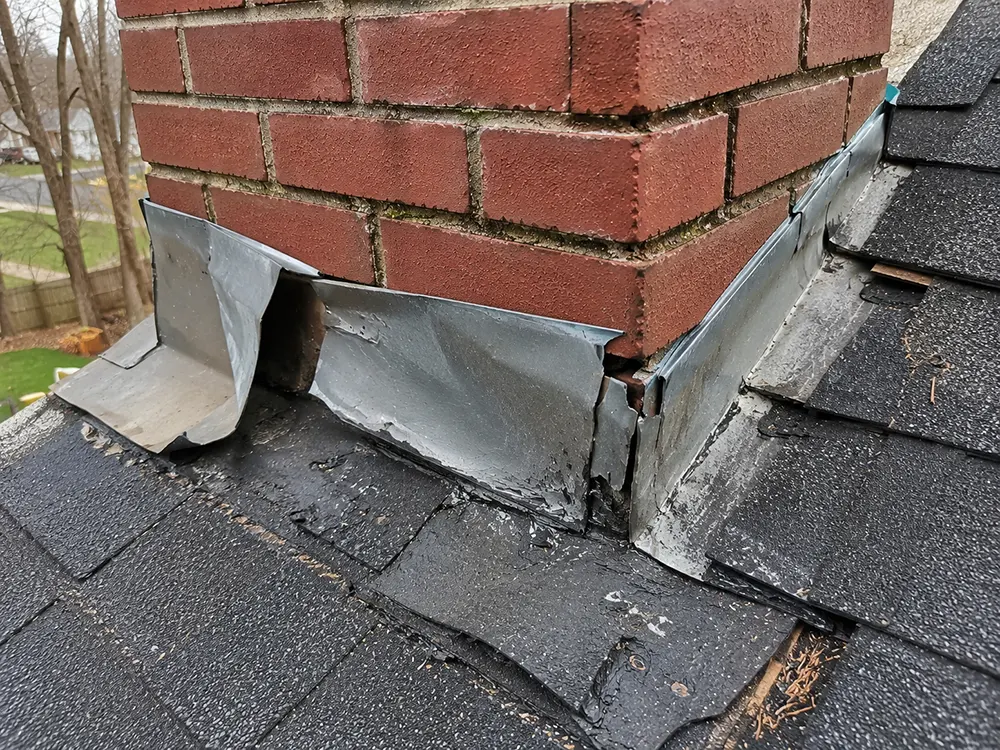
Our Chimney Flashing Repair Process
Effective chimney flashing repair involves rebuilding the entire drainage transition surrounding the chimney rather than relying on surface caulking or temporary patch materials. Water must be directed away from penetration points through correctly layered metal and underlayment components.
Our installation approach focuses on controlled water management, durable overlap integration, and long-term resistance to seasonal roof movement.
Step-by-Step Chimney Flashing Installation
- Remove shingles and roofing materials around the penetration area
- Inspect roof decking and surrounding roof structure for moisture damage
- Install ice and water shield protection around the masonry base
- Install apron flashing at the front chimney transition
- Install layered transition metal pieces along roof slopes
- Cut and install counter flashing into masonry joints
- Seal flashing transitions using professional roofing sealants
- Reinstall shingles or roofing materials around the chimney
- Perform final water testing and leak inspection
A properly integrated waterproof transition assembly reduces the risk of recurring roof transition leaks and strengthens the roof’s long-term moisture defense system.
Chimney Waterproofing Systems and Flashing Materials We Install
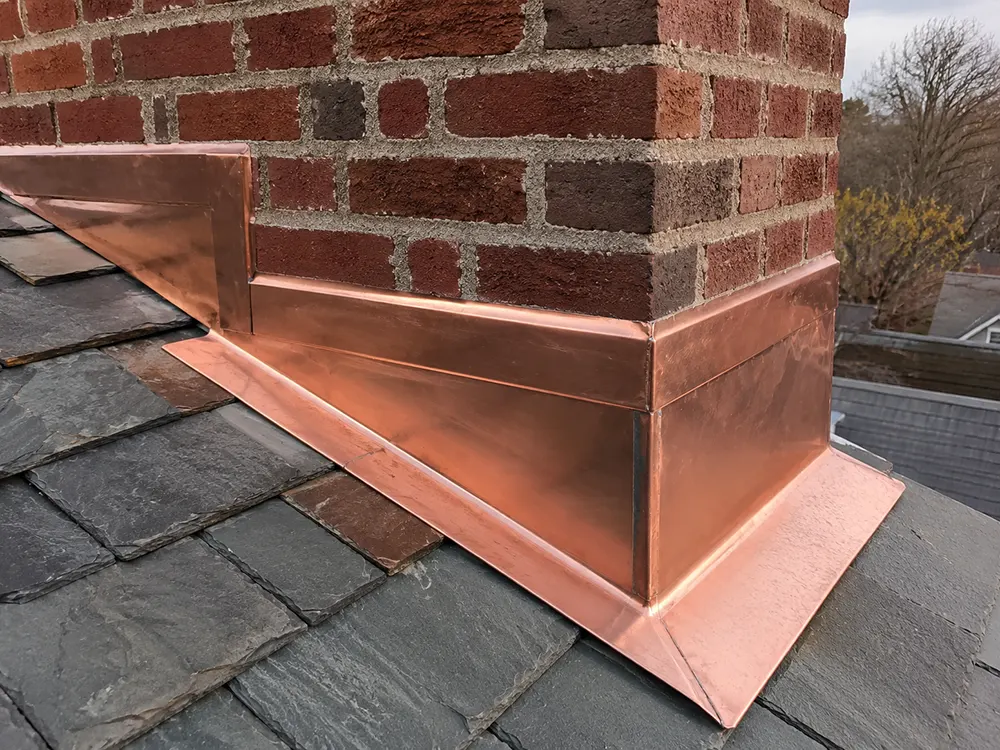
Architectural Copper Waterproofing Systems
Copper transition metal is frequently chosen for premium roofing assemblies because it tolerates thermal movement extremely well and maintains structural stability in aggressive outdoor conditions. Its longevity makes it a preferred option for long-term masonry waterproofing projects.
Copper transition metal is commonly selected for:
- Slate roofing systems
- Historic home restoration projects
- High-value architectural roofing
- Long-term roof preservation work
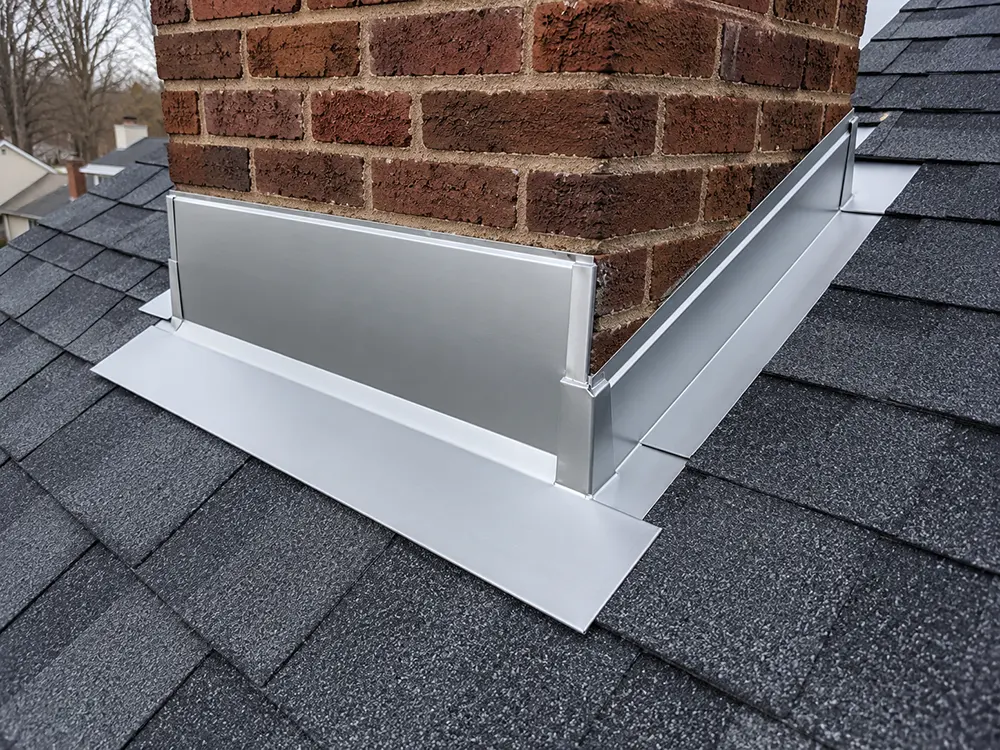
Lightweight Aluminum Waterproof Transitions
Aluminum-based flashing systems are commonly selected for residential roof penetrations because they resist oxidation while remaining easier to shape around complex roof geometry. They are often used where balanced durability and installation efficiency are priorities.
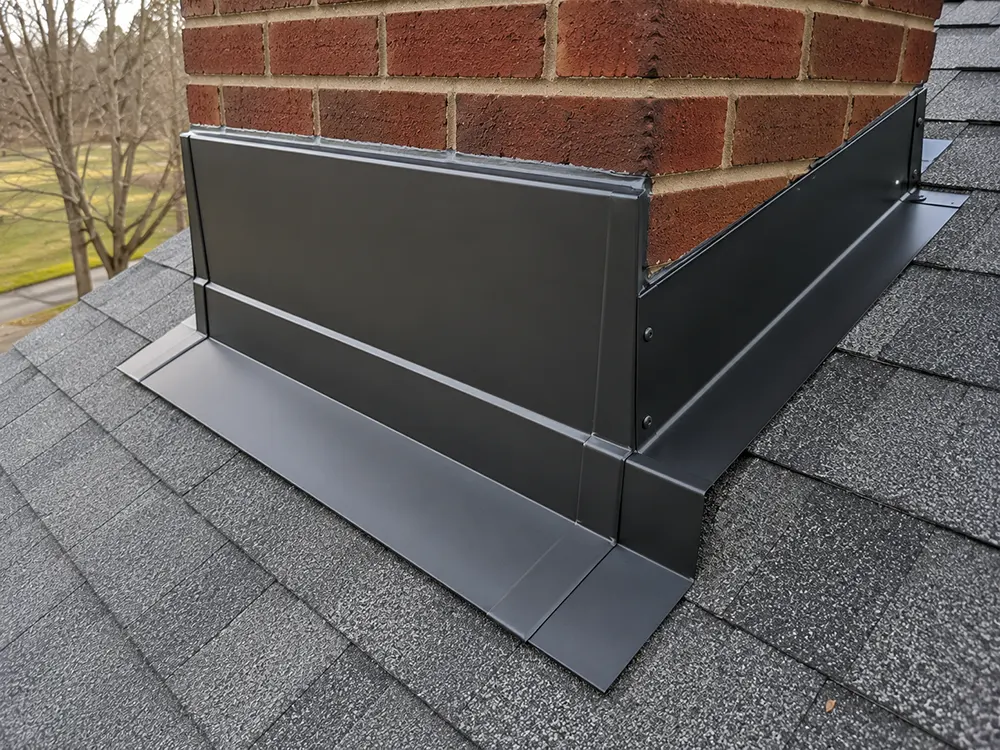
Custom Steel Transition Components
Protective coated steel remains widely used for chimney waterproof transitions on asphalt roofing systems. Long-term performance depends heavily on fabrication accuracy, seam protection, fastening placement, and ventilation conditions around the roof penetration.
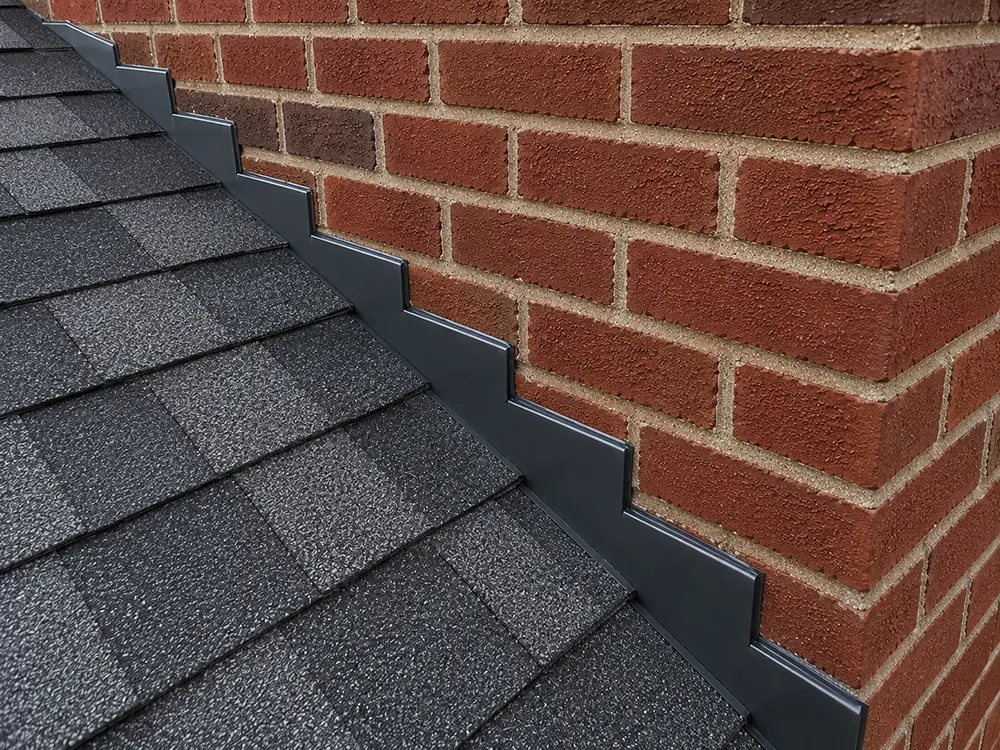
Sequential Sidewall Flashing Systems
Individual metal transition pieces are layered between roofing courses and chimney sidewalls to guide runoff safely downslope. Proper sequencing helps prevent water from bypassing the drainage plane near vertical roof intersections.
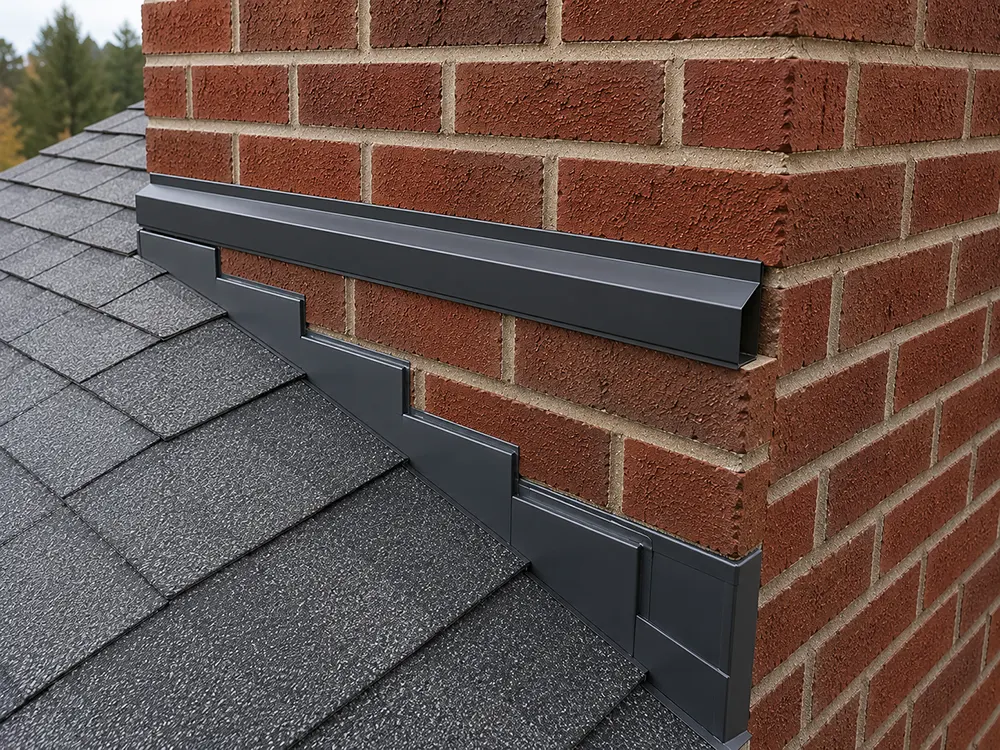
Embedded Masonry Flashing Caps
This upper metal barrier is inserted into cut masonry grooves to conceal and protect the primary waterproof transition below. Its main purpose is to stop runoff from slipping behind the exposed flashing edge and reaching the roof penetration assembly.
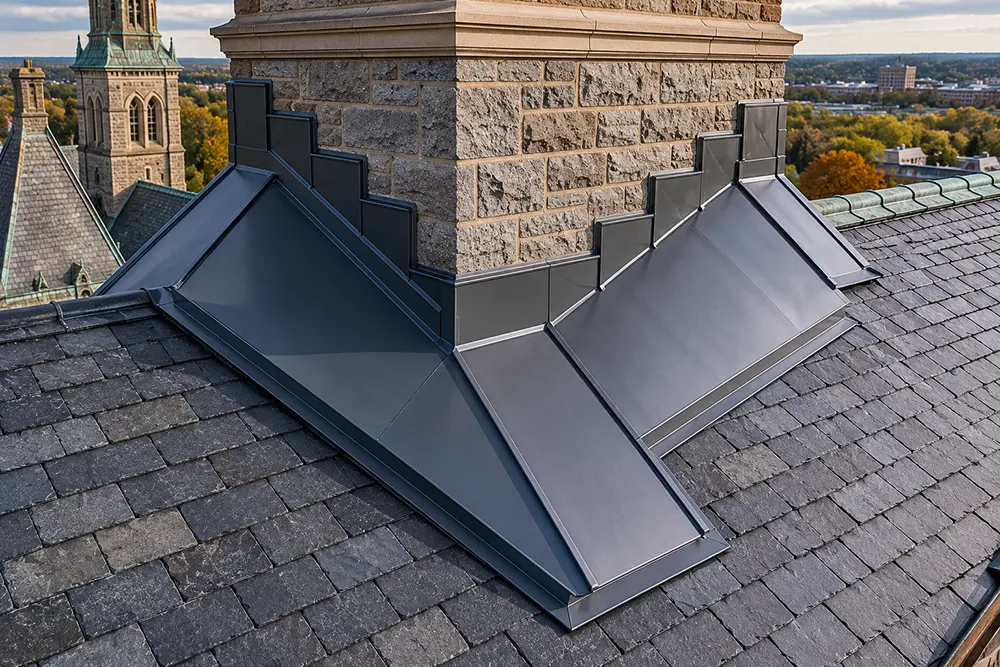
Chimney Crickets and Water Diversion Systems
Large chimney structures often require a cricket system to redirect concentrated runoff around the uphill side of the chimney. Without proper water diversion, standing moisture can accumulate behind the chimney and increase leak risk.
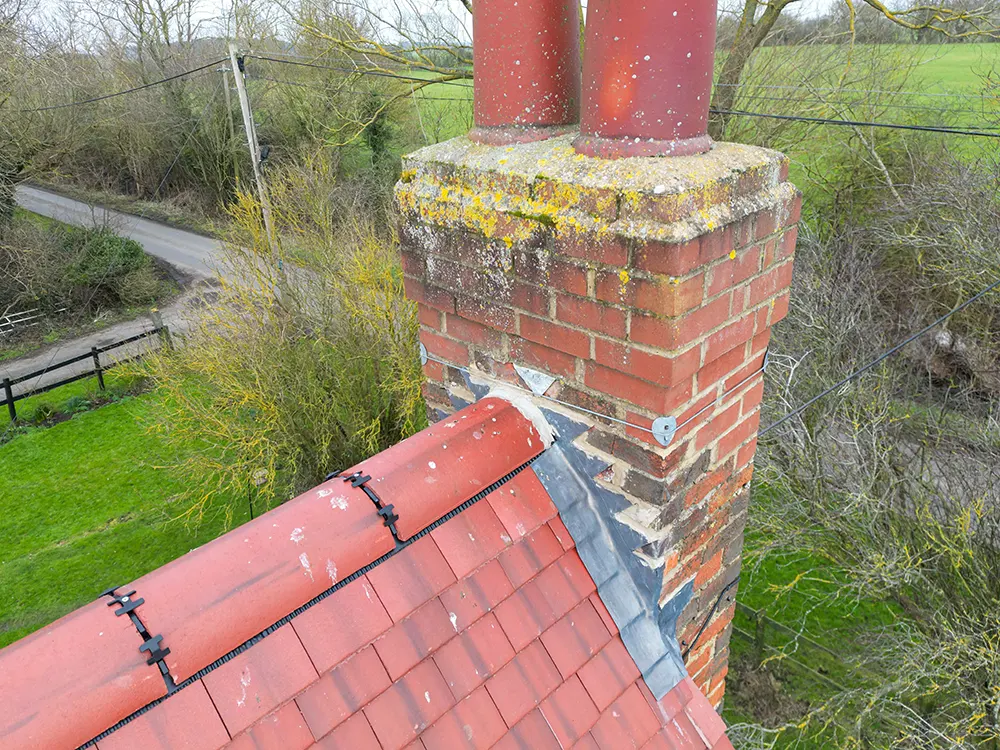
Why Chimney Flashing Fails in New Jersey
Roofing systems in New Jersey face constant environmental stress throughout the year, especially around exposed roof penetration areas.
Several environmental factors accelerate metal transition deterioration:
- Freeze-thaw cycles during winter
- Heavy rainfall and storm exposure
- Ice dams near chimneys
- Wind-driven rain penetration
- Coastal humidity and moisture
- Seasonal temperature expansion and contraction
- Aging brick and mortar deterioration
As shingles age and roof structures experience seasonal movement, flashing sections can gradually detach from surrounding materials. Early inspection and repair work help stop hidden moisture intrusion before widespread structural deterioration develops.
Why Chimney Waterproofing Failures Can Damage the Entire Roof System
Chimneys interrupt the normal drainage pattern of a sloped roofing system and create one of the highest-risk leak areas on the roof surface. Every intersection between masonry, shingles, underlayment, and metal flashing becomes a potential moisture entry point if waterproof transitions are not installed correctly.
When chimney flashing begins failing, water rarely stays confined to a single visible location. Moisture often spreads across hidden structural areas before symptoms appear indoors.
Long-term water intrusion near chimneys may contribute to:
- Saturated roof decking
- Warped structural sheathing
- Insulation compression and moisture retention
- Interior ceiling discoloration
- Framing deterioration near penetration areas
- Mold development inside enclosed cavities
- Electrical exposure in attic spaces
- Persistent hidden moisture accumulation
One of the biggest challenges with chimney-related leaks is delayed visibility. Water can travel along rafters, under decking panels, and across insulation layers before eventually appearing on interior drywall.
For this reason, professional chimney flashing work involves more than replacing visible metal sections. The surrounding waterproof assembly, drainage direction, overlap integration, and penetration sealing strategy must all work together to control runoff movement across the roof.
FAQ
Pricing varies based on penetration dimensions, roof accessibility, transition material selection, and whether hidden water damage is present beneath surrounding roofing components. Localized repairs generally cost less than rebuilding a severely deteriorated waterproof transition assembly.
Yes. When surrounding shingles and underlayment remain structurally sound, damaged flashing sections can often be removed and rebuilt without performing a complete roof replacement.
Yes. In most cases, chimney flashing should be replaced during a roof replacement project to ensure proper waterproof integration with the new roofing materials.