Pros and Cons of Vinyl Decking for Open Outdoor Spaces
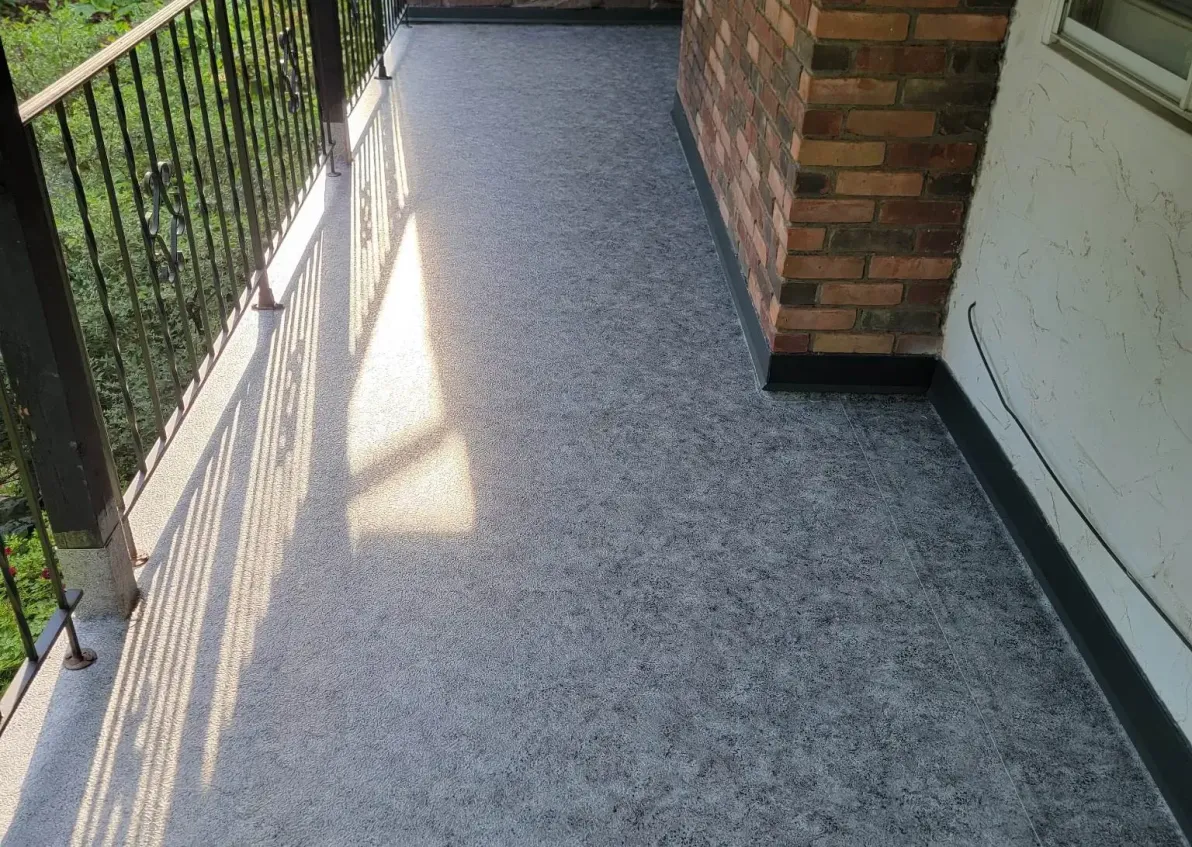
Outdoor surfaces in New Jersey face constant environmental stress throughout the year. Heavy rain, snow accumulation, summer heat, and prolonged UV exposure quickly reveal the limits of many traditional decking materials.
Because of these conditions, vinyl decking has become a practical solution for open outdoor spaces. It creates a continuous waterproof layer – but only when the right system is chosen and installed correctly. Below, we explain how vinyl decking works, where it performs best, and what limitations should be considered before making a decision.
What Is Vinyl Decking, and Why Does It Perform Well Outdoors?
Vinyl decking is a specialized outdoor surface system designed to block moisture while functioning as the final walking surface. Unlike decorative-only materials, it protects the structure underneath from water damage. An example of this is work completed in Titusville, NJ.
A typical vinyl decking system consists of several functional layers (from top to bottom):
Vinyl surface membrane (traffic and waterproof layer)
This is the exposed surface. It is textured for traction and engineered to resist moisture, sunlight, and temperature swings while keeping water out of the structure.
Thermally welded seams
Vinyl sheets are joined using heat welding, forming one uninterrupted waterproof surface without gaps or vulnerable joints.
Bonding layer
The adhesive layer anchors the membrane to the substrate, evens out minor surface imperfections, and allows the system to respond to seasonal movement.
Why is waterproofing critical for open outdoor areas?
Decks and balconies are fully exposed to rain, snow, wind, and freezing temperatures. Without true waterproof protection, water collects – especially on flat surfaces – eventually leading to leaks, structural damage, and costly repairs.
Key Benefits of Vinyl Decking
Vinyl decking offers multiple advantages when used in fully open outdoor environments.
Effective water protection
Because seams are welded rather than mechanically joined, vinyl decking forms a continuous moisture barrier. This significantly reduces the chance of water reaching the framing below.
Consistent performance in seasonal conditions
Outdoor decks go through repeated wet–dry and freeze–thaw cycles. Vinyl systems are designed to tolerate these changes without cracking, splitting, or losing waterproof integrity. You can learn more about the advantages of these types of surfaces in the article Vinyl Decking vs Composite Flooring: Discover the Key Differences and Which Is the Right Fit for Your Deck.
Reduced maintenance needs
Vinyl surfaces are non-porous, so they do not absorb water. Maintenance typically involves basic cleaning and drainage checks rather than ongoing sealing, staining, or board replacement.
Safer walking surface when wet
Rain, snow, and morning condensation are unavoidable outdoors. Outdoor-grade vinyl membranes include slip-resistant textures that help reduce fall risk.
Clean and uniform appearance
Vinyl decking creates a smooth, consistent finish that works well for private homes as well as rental properties.
Wondering if vinyl decking is the right solution for your outdoor space?
Contact us to discuss waterproof vinyl decking options for your New Jersey property.
Limitations You Should Know About
-
Higher upfront cost than basic wood decking
Initial installation costs may exceed those of standard wood, but long-term expenses are often lower due to reduced maintenance and repair needs. Installing this type of decking also increases the overall value of the home, which can help it sell for a higher price in the future, should the need arise.
-
Repair complexity depends on system quality
Since vinyl decking functions as a single surface, repairs can be more involved than replacing individual boards. Professional installation and correct detailing greatly reduce the likelihood of future repairs.
-
Structural problems must be resolved beforehand
Vinyl decking should never be installed over damaged framing, rotted components, or poorly detailed edges. Without proper preparation, underlying issues remain hidden and continue to worsen.
For this reason, projects often include fascia & soffit repair and gutter cleaning & repair to ensure proper drainage and substrate condition.
Schedule a free consultation to determine what preparation your deck requires.
Vinyl Decking Compared to Other Outdoor Materials
Vinyl vs Wood
Water easily passes through gaps between boards. In open environments, moisture regularly reaches the structure below, causing:
- warping and dimensional movement
- rot and structural deterioration
- frequent maintenance and repair work
- Waterproofing and low maintenance – vinyl decking
- Natural look with ongoing upkeep – wood
Vinyl vs Composite
Vinyl vs Tile
For fully exposed outdoor areas, vinyl offers more predictable long-term performance than tile.
Professional insight:
Vinyl decking is most effective when water control and structural protection are higher priorities than decorative surface finishes.
How to Choose the Right Vinyl Decking System
-
Thickness suited to real use
Most balconies, patios, and rooftop decks perform best with mid-grade systems designed for foot traffic and temperature variation. Always confirm load ratings and outdoor exposure approval.
-
UV resistance for sun exposure
Outdoor vinyl should include UV stabilizers that prevent fading and material breakdown under constant sunlight. Choose systems tested for full outdoor exposure with documented performance warranties.
-
Heat-welded seams
Seams are the most vulnerable part of any waterproof system. Heat welding creates a unified surface that taped or glued joints cannot match.
-
Integrated slip resistance
Slip resistance must be built into the material itself, especially for stairs, balconies, and walkways exposed to moisture.
Summary:
Maintenance Guidelines for Outdoor Vinyl Decking
Vinyl decking is valued for its low-maintenance nature, but basic care helps extend its service life.
-
Remove debris regularly to prevent moisture buildup
-
Clean using mild detergents and non-abrasive tools
-
Monitor drainage areas and eliminate standing water
-
Use plastic or rubber tools for snow removal during winter
When vinyl decking serves as waterproofing above living space, routine roof leak inspection and roof leak repair help detect issues early.
When Vinyl Decking Is the Right Choice
It is commonly selected for:
- patios and backyard outdoor areas
- weather-exposed balconies
- rooftop decks
- decks built over interior living spaces where leaks cause significant damage
- increase in overall property value
If preparation is required, we begin with roof repair and a full condition assessment to ensure reliable performance.
Our Services
Yukor Construction LLC delivers comprehensive exterior solutions across New Jersey, with a strong focus on waterproofing and structural preparation. Our services include:
Request a consultation and we will evaluate your surface, drainage, and transitions to recommend the most effective solution.
FAQ
Is vinyl decking truly waterproof for open decks and balconies?
Does vinyl decking overheat in direct sunlight?
Like most outdoor surfaces, vinyl can warm up in the sun. Heat buildup can be reduced by:
- selecting lighter color tones
- choosing textured surfaces
- incorporating shade structures such as pergolas or canopies
How long does vinyl decking typically last?
In fully exposed outdoor conditions, vinyl decking generally lasts 15–25 years, depending on system quality, installation accuracy, and maintenance.
Expected ranges:
- 10–15 years: entry-level outdoor systems
- 15–20 years: high-quality UV-protected membranes
- 20–25+ years: premium systems with proper drainage and upkeep