Roof Damage After a Hail Storm: What to Do Before Making Costly Decisions
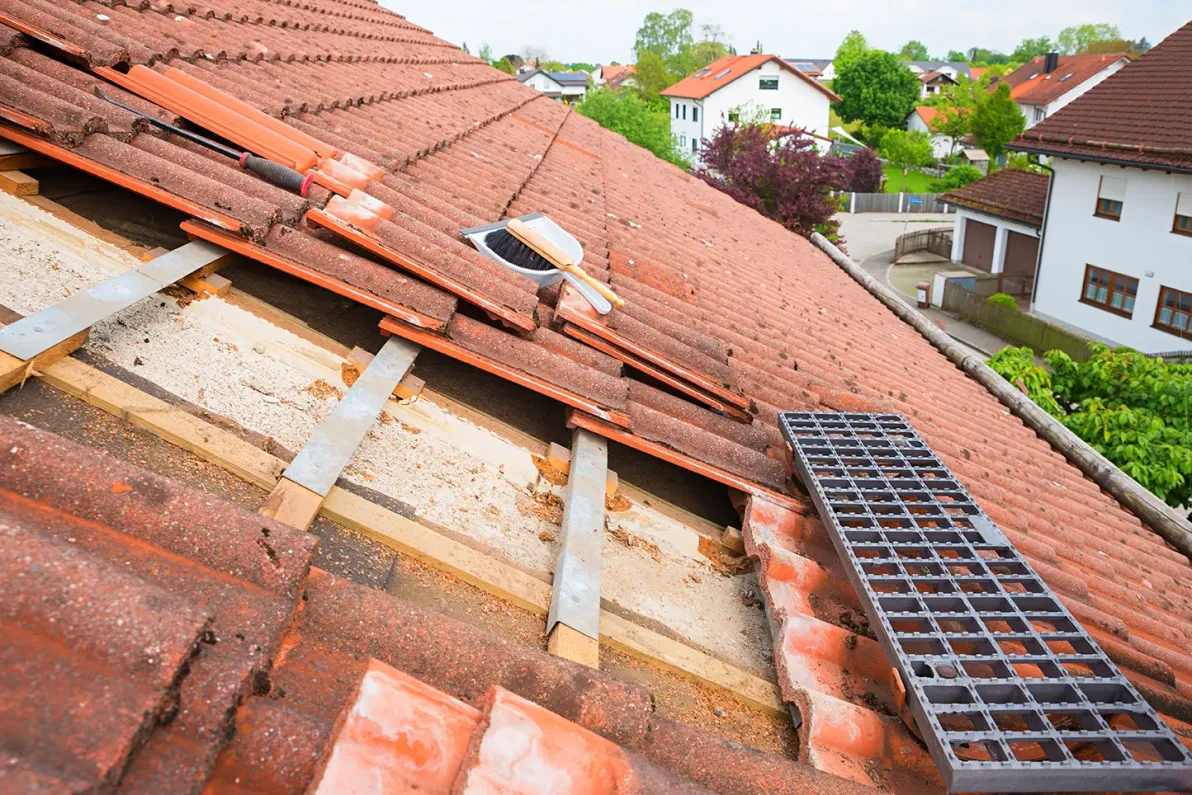
Hail and wind storms often leave homeowners unsure about the true condition of their roof. When damage isn’t clearly visible, it’s easy to assume the worst and believe that a full roof replacement is unavoidable. This assumption is one of the most expensive mistakes people make after severe weather.
The reality is usually more nuanced. Roof systems are designed to withstand a certain level of impact, and their actual condition often depends on multiple factors – age, material quality, installation standards, and prior maintenance. In many situations, timely professional repairs are enough to restore roof performance and protect the home for years. In other cases, postponing replacement only leads to recurring repairs and higher overall expenses. A full roof replacement may be required. We’ve previously written about how to choose a high-quality roofing material. The most important step is learning how to recognize the difference before stress and urgency take control.
This guide explains:
- Which actions are most important immediately after a storm
- How to check for possible damage safely from the ground
- When repair makes sense and when replacement is the better investment
- How to communicate effectively with roofers and insurance representatives
For homeowners throughout New Jersey, this information helps avoid unnecessary costs and protects long-term property value.
What to Do Right After a Hail or Wind Storm
The period immediately following a storm – spanning the first hours and days – is critical. Decisions made during this short window often have a direct impact on repair costs, insurance claim outcomes, and the overall lifespan of the roofing system. While taking quick action may feel necessary – especially when contractors begin knocking on doors – hasty decisions frequently lead to safety risks and insurance complications. A calm, structured approach gives you far greater control.
Prioritize safety
- Do not climb onto the roof: Storm damage can make surfaces unstable and slick
- Watch for hidden dangers: Loose shingles, weakened decking, and wet areas increase fall risk
- Stay on the ground: Early inspections should always be done from a safe distance. If you decide to tackle any repairs yourself, be sure to read our guide on how to perform roofing work safely.
Reduce additional damage
If problems are already visible:
- Control interior leaks: Place containers to protect floors, furniture, and ceilings
- Temporary protection: If conditions allow, use tarps or plastic sheeting to cover exposed areas
- Secure the area: Keep people and vehicles away from loose debris or hanging gutters
Document the storm carefully
Insurance claims depend heavily on proper records:
- Note the storm details: Date and approximate time are important
- Take clear photos: Capture hailstones, damaged landscaping, siding, gutters, and roof edges
- Save weather reports: Local alerts and confirmations help support your claim
How to Check for Hail Damage Without Going on the Roof
A visual inspection from ground level can reveal more issues than many homeowners expect. Even small exterior clues often point to larger underlying problems developing beneath the surface. No roofing experience is required – just attention to detail.
Areas to inspect around your home
Look closely at:
- Gutters and downspouts: Dents, bends, or crushed sections
- Flashing and metal trim: Impact marks near chimneys and vents
- Roof penetrations: Cracked vent covers, damaged pipe boots, broken caps
- Fascia and roof edges: Warping or visible impact marks
- Siding: Hail damage often appears on upper panels first
Why hail damage is often overlooked
- Granule loss: Shingles lose their protective layer and become vulnerable to moisture and sun
- Internal fractures: Small cracks expand over time with temperature changes
- Bruising beneath the surface: Soft spots indicate structural damage that may leak later
These problems frequently show up months after the storm – sometimes after insurance claim deadlines have passed.
When Roof Replacement Makes More Sense Than Repairs
Repairs can be effective, but they are not always the best option. The right choice depends on balancing immediate costs against long-term reliability and future maintenance risks. Certain conditions strongly suggest that replacement is the smarter long-term decision.
A professional evaluation is especially important if:
- The roof is near or beyond its expected service life
- Large amounts of granules are collecting in gutters or at downspouts
- Shingles are lifting, curling, or missing in multiple areas
- Nearby homes from the same storm are being approved for full replacements
Material-specific considerations
- Asphalt shingles: Widespread bruising or heavy granule loss often requires replacement
- Metal roofing: Minor dents may be cosmetic, but loose seams or shifted panels are serious
- Flat roofing systems: Membrane punctures or persistent ponding usually indicate failure
How Yukor Construction LLC Helps Homeowners
Home Improvement New Jersey supports homeowners through every stage of storm recovery – from the initial inspection to the final installation – without pressure or guesswork. Our focus remains on clarity, documentation, and practical solutions tailored to each property.
- Comprehensive inspections for hail and wind damage
- Clear recommendations based on facts, not sales tactics
- Detailed photo documentation for insurance purposes
- High-quality repairs and complete roof replacements
Why homeowners choose us
- Local expertise: Familiarity with New Jersey weather patterns and building requirements
- Honest guidance: Repair when it’s sufficient, replace when it’s necessary
- Insurance support: Assistance during adjuster visits and claim discussions
Strengthening Your Roof Against Future Storms
While storms can’t be prevented, roof durability can be improved with proactive steps. Preparation reduces emergency repairs and helps roofs perform more consistently during extreme weather events.
Practical prevention measures
-
Routine inspections: Twice-yearly evaluations help catch issues early
-
Impact-resistant shingles: Class 4 materials provide better hail protection
-
Improved underlayment: Adds an extra moisture barrier beneath shingles
-
Tree maintenance: Trim branches that could strike the roof during high winds
FAQ
How soon should a roof be inspected after a storm?
Can small hail really reduce roof lifespan?
Is hail damage usually covered by insurance?
Most policies include coverage when damage is linked to a documented storm.
Is repair always the cheapest option?
At first, yes – but repeated repairs on an aging roof often cost more over time.