Siding Repair and Replacement?
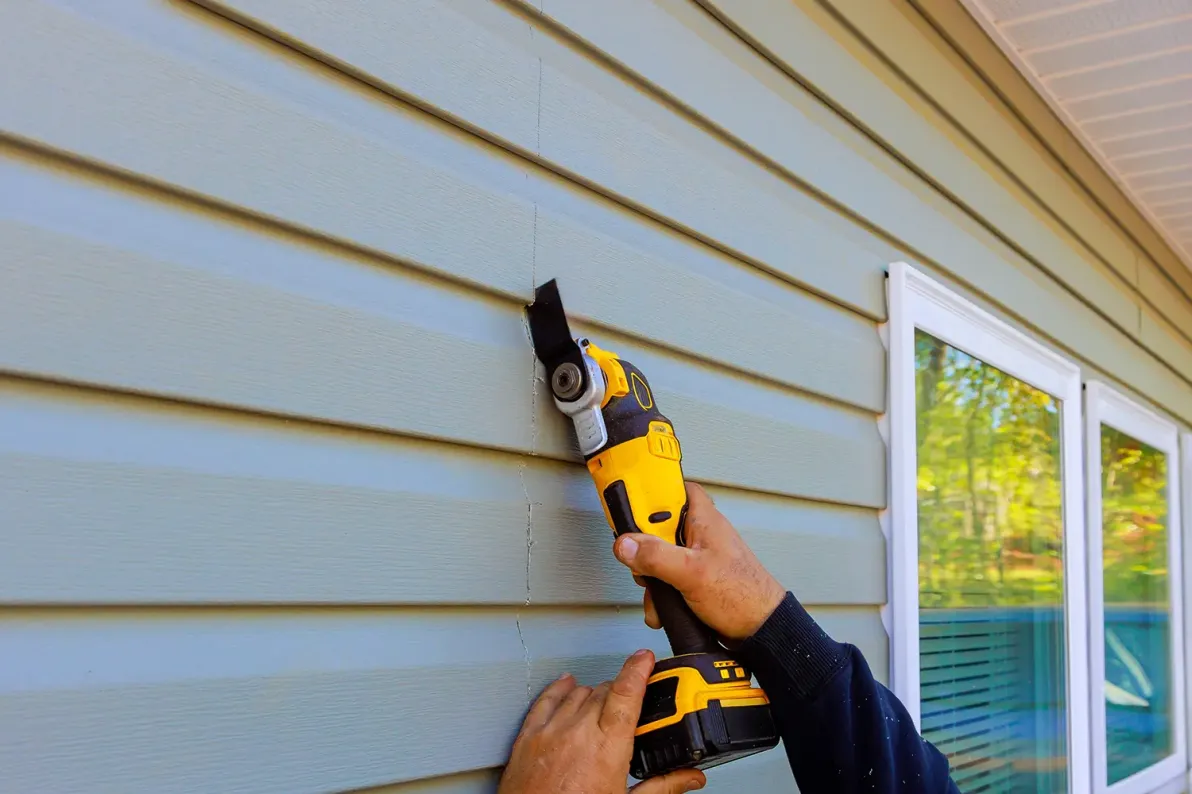
Exterior cladding is constantly exposed to stress – rain, snow, sun, wind, and mechanical impact. Even premium materials gradually lose their protective qualities. Over time, panels may crack, deform, fade, or stop performing their main function – shielding the house from moisture and heat loss. These changes often begin unnoticed but can eventually affect both comfort inside the home and the durability of the structure itself.
When visible defects appear, homeowners face an important decision: siding repair and replacement – which approach is justified in your specific case? The answer is never universal. It depends on how deep the damage goes, how old the facade system is, whether moisture has reached the base layers, and how much you plan to invest now versus later. Below, we break down each scenario to help you make a technically sound and financially reasonable choice.
Signs Your Siding Needs Professional Help
Most exterior cladding problems develop progressively. The earlier they are identified, the easier and cheaper they are to resolve. Ignoring early symptoms often leads to structural repairs rather than cosmetic fixes.
- Visible cracks or splits – Even narrow fractures allow water to enter behind the panels. Repeated freeze-thaw cycles then accelerate damage to insulation and sheathing.
- Uneven color or severe fading – Loss of pigment usually means the material’s surface protection is breaking down, making panels more fragile and weather-sensitive.
- Panels pulling away or changing shape – Warping, bowing, or bulging often indicates trapped moisture or improper airflow behind the siding.
- Recurring mold or organic buildup – Growth that returns after cleaning typically signals hidden moisture rather than a surface issue.
- Interior moisture symptoms – Damp walls, bubbling paint, or musty smells indoors can originate from siding failure.
- Rising energy costs – Damaged exterior panels reduce the effectiveness of thermal barriers, forcing heating and cooling systems to compensate.
Timely evaluation helps prevent localized problems from spreading across the entire facade
If you notice any of these signs, book a quick on-site evaluation.
When Siding Repair Is a Good Solution
Repairing exterior panels makes sense when the exterior system as a whole remains functional and damage is confined to specific areas. In such cases, replacement would be excessive and economically inefficient.
This type of repair is usually appropriate when:
- Only isolated panels or small sections are affected
- The exterior finish installation is relatively recent
- Damage resulted from impact, debris, or short-term moisture exposure
- Structural layers behind the panels are dry and intact
- The goal is to restore performance without altering the entire facade
Siding repairs may also be necessary after a hailstorm, which can occasionally occur in New Jersey. However, if hail has damaged not only your siding but also your roof, read about what steps to take in the article Roof Damage After a Hail Storm: What to Do Before Making Costly Decisions.
Well-executed repairs can significantly extend the lifespan of the existing exterior finish while maintaining visual consistency
Get a fast and affordable repair quote today.
Pros of Siding Repair
- Noticeably lower cost compared to full replacement
- Shorter project duration and minimal disruption
- Limited removal reduces construction waste
- Maintains the current architectural appearance
- Effective solution after storms or accidental damage
Cons of Siding Repair
- Matching aged panels in color and texture can be challenging
- Repairs may not address hidden wear in adjacent sections
- Older exterior systems may continue to fail over time
- Limited impact on insulation performance
A professional inspection helps determine whether repair will remain effective or simply postpone larger issues.
When Siding Replacement Is the Better Long-Term Option
In some situations, repairing individual sections no longer solves the underlying problem. When deterioration is widespread, replacement becomes a strategic investment rather than an expense.
Full replacement is typically recommended if:
- Damage extends across large facade areas
- The exterior cladding system has exceeded 20 years of service
- Moisture or mold is found beneath multiple panels
- Repairs are repeated frequently with diminishing results
- Improving resale value is a priority
A new exterior system addresses both visible defects and hidden vulnerabilities
Request a full-home siding replacement estimate.
Pros of Siding Replacement
- Complete renewal of exterior protection
- Improved thermal efficiency with modern materials
- Better moisture control and ventilation design
- Expanded choice of finishes, profiles, and colors
- Increased property value and buyer confidence
Cons of Siding Replacement
- Higher upfront investment compared to repairs
- Longer planning and installation timeline
- Requires coordinated material and labor selection
Repair vs Replacement: How to Make the Right Decision
The choice between repair and replacement should be based on long-term performance, not just immediate savings.
| Factor | Repair | Replacement |
|---|---|---|
| Initial investment | Lower | Higher |
| Expected lifespan | Short to medium | 25–50 years |
| Visual consistency | Partial | Complete renewal |
| Energy performance | Minor improvement | Significant upgrade |
| Risk of hidden damage | Remains possible | Eliminated |
| Return on investment | Limited | Long-term |
Any reliable decision starts with a professional inspection that evaluates both surface and concealed conditions.
Cost Factors: What Influences the Price of Repair or Replacement
Pricing for siding repair and replacement is shaped by multiple technical and logistical factors:
- Type of exterior material and availability
- Total area requiring work
- Condition of underlying sheathing and insulation
- Ease of access and building height
- Age of the structure and code requirements
- Local labor and permit costs
In some scenarios, repeated repairs can ultimately exceed the cost of a single replacement – especially when moisture damage continues to spread unseen
Contact us for a transparent, itemized estimate.
FAQ
Can siding issues affect indoor air quality?
Yes. Moisture trapped behind siding can promote mold growth that spreads into wall cavities and impacts indoor air quality.
How long does a siding inspection take?
Most professional inspections take 30–60 minutes, depending on home size and complexity.
Is it possible to upgrade insulation during replacement?
Absolutely. Replacement is the ideal time to improve insulation and weather barriers. Learn how improving thermal insulation during a siding replacement can boost the overall energy efficiency of your home in the article Refresh Your Exterior: How Replacing Your Siding Improves Home Energy Efficiency.
Will new siding reduce noise from outside?
Modern siding systems with upgraded underlayment can noticeably reduce exterior noise.
Does siding replacement require permits?
In many areas, yes. A professional contractor handles permits and code compliance as part of the project.