

Can You Restore a Flat Roof With Silicone Coating Instead of Replacing It?
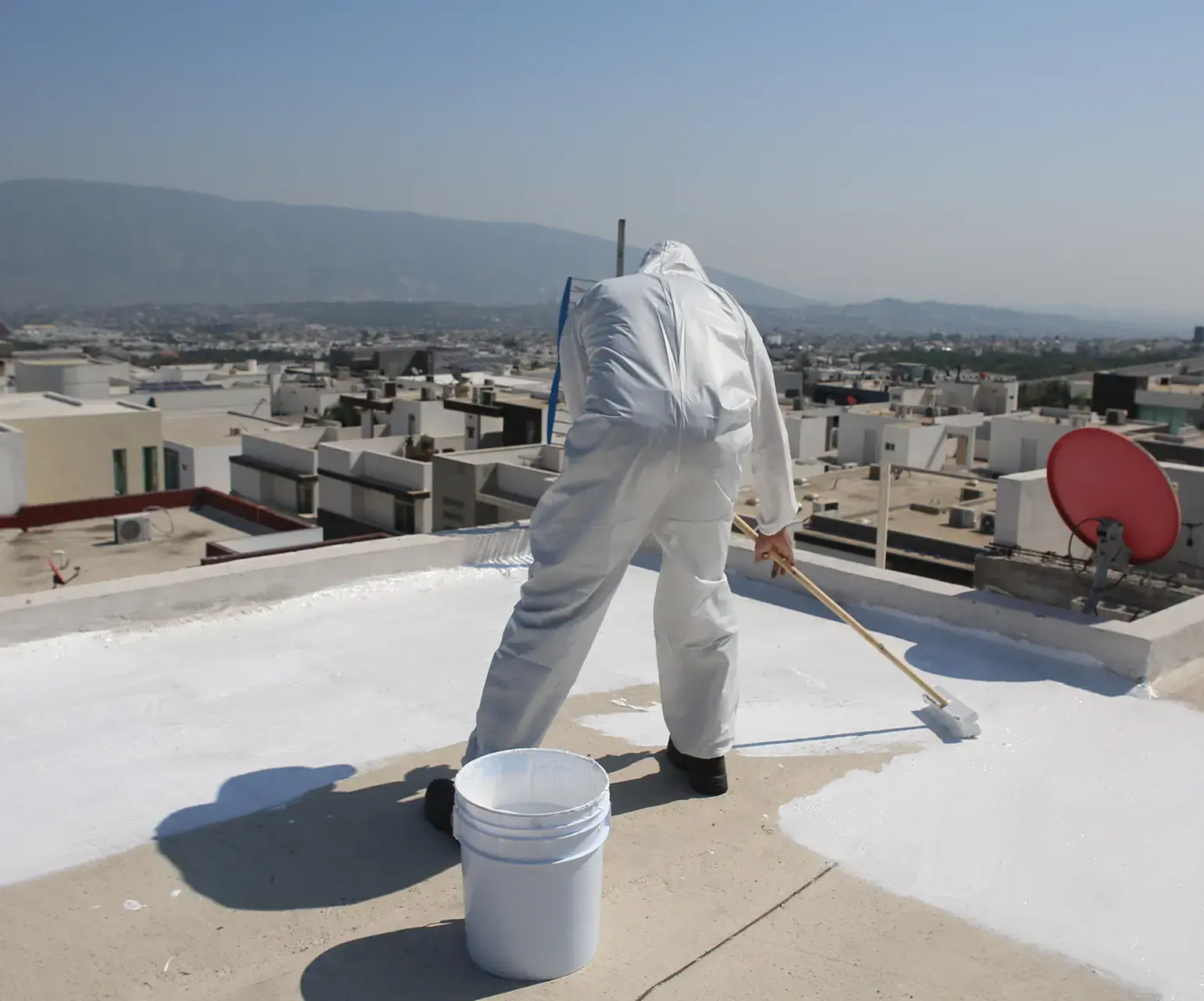
Yes, as long as the existing roofing system is still serviceable, the damage can be repaired, and the coating you choose is compatible with the existing roof.
Age or appearance alone won’t tell you if a roof can be restored. An older membrane might be a good candidate after minor repairs, while a relatively new roof could have wet insulation or a damaged roof deck.
Before recommending silicone coating, we inspect the roof surface, seams, flashing, and drainage areas. If we suspect moisture beneath the membrane, further investigation is needed before deciding whether restoration is suitable. We also confirm that the selected coating system is compatible with the existing roof.
When Can the Existing Roof Membrane Stay in Place?
Our silicone roof restoration service starts with an inspection of the existing membrane. We check the surface, seams, edges, flashing, penetrations, previous patches, and areas around the drains.
We work with EPDM, TPO, and torch-down roofing, and repair and preparation methods vary by system. But no matter the material, the surface has to be sound and properly prepared before the silicone coating goes on. Coating doesn’t replace necessary repairs to the membrane itself.
A localized defect doesn’t automatically mean the entire system needs replacing. An open seam, damage around a penetration, or a small damaged section of membrane can often be fixed before the coating is applied.
Multiple old patches do not automatically rule out restoration. The decision depends on the condition of the full roofing assembly, the extent of moisture damage, and the repairs required.
-
If the damage is localized, restoration is often a cost-effective option.
-
If the membrane needs extensive repairs and the seams keep failing, replacing the entire roofing system may make more financial sense than patching it over and over.
What If the Insulation or Roof Deck Is Damaged?
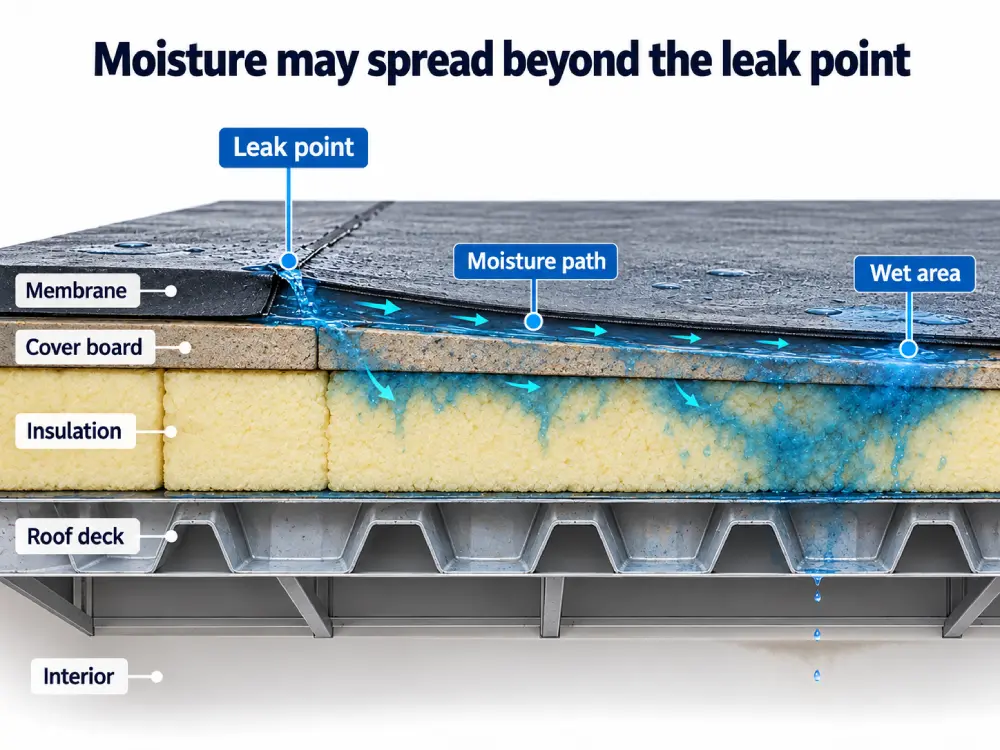
If the roof has leaked, water could have reached the insulation or roof deck. Wet insulation loses some of its insulating ability, and prolonged moisture can rot wood decking or corrode metal decking.
Do not coat over areas with wet insulation or a deteriorated roof deck. These problems must be addressed first, as trapped moisture can contribute to further damage and coating failure.
How Do Contractors Check for Water Beneath the Membrane?
Water can travel beneath the membrane, so moisture damage may extend beyond the visible leak. Depending on the roof assembly and the coating manufacturer's requirements, an assessment may include infrared scanning, suitable moisture-detection equipment, and test openings or core samples to investigate suspected wet areas. These methods help assess concealed conditions; a surface inspection alone cannot establish the condition of every underlying layer.
The next steps depend on which layers are damaged:
- Wet insulation. Damaged insulation comes out and gets swapped for new material that meets the roofing system's requirements.
- Damaged roof deck. The contractor checks its condition and structural integrity. Rotten wood decking or severely corroded metal sections have to be repaired or replaced.
- Damage to multiple layers. The affected section has to be repaired before coating, so no wet or deteriorated materials remain beneath the membrane.
Does Ponding Water Change the Decision?
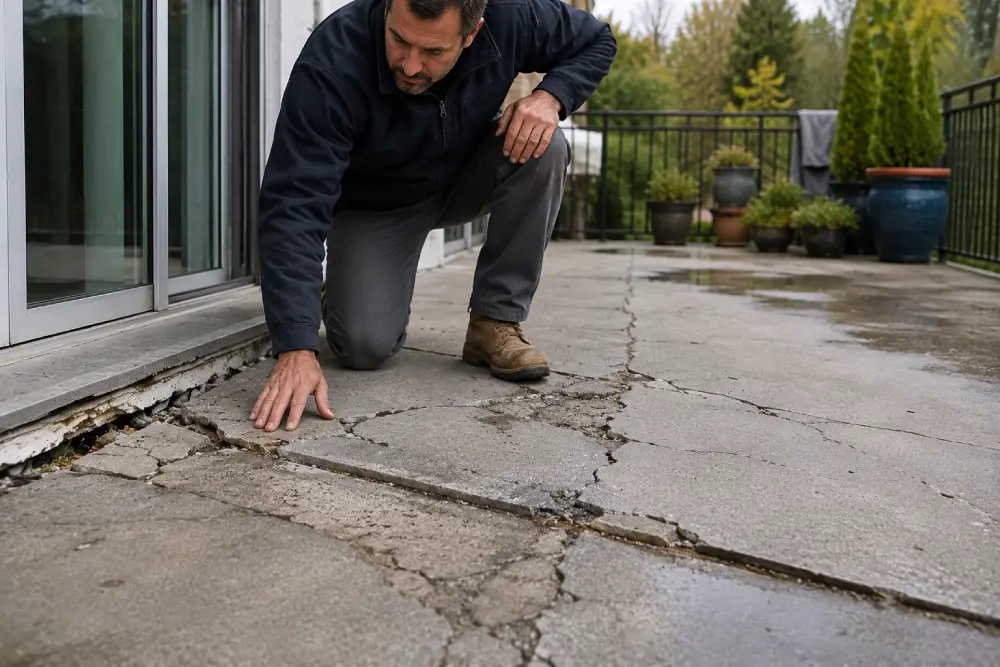
Before applying a silicone coating, figure out why water is pooling on the surface and fix the cause whenever possible. Common culprits include clogged drains, debris buildup, sagging areas, or inadequate slope. Clearing away the standing water and letting the surface dry won’t solve the underlying problem, even if silicone goes on afterward.
Clogged drains need to be cleared. If water is pooling because of a sagging section or poor slope, the fix might mean repairing the affected areas, correcting the slope, or improving the drainage system.
A silicone coating rated by its manufacturer for ponding-water exposure can withstand standing water, but it does not correct poor drainage or structural sagging.
What Should a Contractor Check Before Recommending a Coating?
- Check for moisture beneath the roof membrane. Review current and previous leaks and establish whether further investigation of concealed layers is needed. The assessment should follow the selected coating system's requirements; the methods described above may help identify affected areas.
- Make sure the silicone coating is compatible with the existing material. Choose a coating that suits the existing roofing material and review the manufacturer’s requirements for surface preparation and proper adhesion.
- Prepare the surface thoroughly. Surface preparation depends on the type and condition of the roofing material. It can involve cleaning the surface, removing damaged or loose materials, repairing specific areas, or applying a primer to strengthen the bond between the silicone coating and the surface.
- Test how well the silicone coating adheres to the roof. Adhesion testing helps verify that the proposed coating system bonds adequately to the prepared roof. Primer requirements also depend on the substrate and the manufacturer's specifications. If a primer is required, it should be included in the test system.
Questions to Ask Your Contractor Before Agreeing to a Silicone Roof Coating:
-
Which areas need repairs before applying silicone, and why?
-
How will you check for moisture beneath the membrane?
-
What's causing water to pool on the roof, and is fixing the problem included in the estimate?
-
Which silicone coating system do you recommend for my roof, and what surface preparation does the manufacturer require?
-
Considering the repairs required, would replacing the entire roof be more cost-effective than restoring it?
What Are the Possible Outcomes After the Inspection?
The inspection tells the contractor if the roof is a good candidate for silicone restoration or if replacement makes more sense.
There are three possible outcomes:
|
Roof Condition |
What to Do |
|---|---|
|
The Roof Is Suitable for Restoration |
Complete the necessary surface preparation and apply the silicone coating |
|
Localized Repairs Are Needed First |
Repair the damage and reassess the roof for silicone coating |
| The Damage Is Too Extensive |
Consider a new roofing system and compare its cost with the repairs needed to restore the existing roof |
Restoration must be both technically suitable and financially reasonable. Extensive wet insulation, structural deterioration, or widespread membrane failure may make replacement the better option. Compare the complete restoration scope, including preparation and repairs, with the cost and expected performance of a new roofing system.
A qualified contractor should explain the recommended approach, identify any limitations, and confirm that the roof meets the selected coating system’s requirements before work proceeds.
A New Jersey Example: Restoring an Aging Flat Roof
On one of our projects in Montgomery, New Jersey, debris had built up on the flat roof, and several seams and edges needed repair.
But the overall roofing system was still in good enough shape to keep, so there was no need for a complete tear-off.
We cleared the debris, repaired the damaged areas, prepared the roof surface, and applied a silicone coating.
The job took one day and cost $1,500. Keep in mind that this price won’t apply to every project, since costs depend on the roof’s size, condition, and how much repair work it needs before coating.
Restoration made sense here because the existing roofing system was still serviceable, and the damaged areas could be properly repaired before the silicone went on.
The Montgomery project illustrates why roof condition matters more than age alone: restoration was appropriate because the existing system could be retained after preparation and localized repairs.
For a suitable roof, silicone restoration can extend service life while avoiding an unnecessary tear-off.
The right choice depends on the inspection findings, the coating manufacturer’s requirements, and the full cost of the proposed work.
Not Sure If Silicone Coating Is Right for Your Flat Roof?
FAQ
Not necessarily. The source of the leak has to be found and repaired first. Then the contractor should check if water has damaged the insulation or other roof layers. Only after dealing with these issues can they tell if the roof is suitable for silicone restoration.