

What Can Same-Day Roof Leak Repair Actually Include?
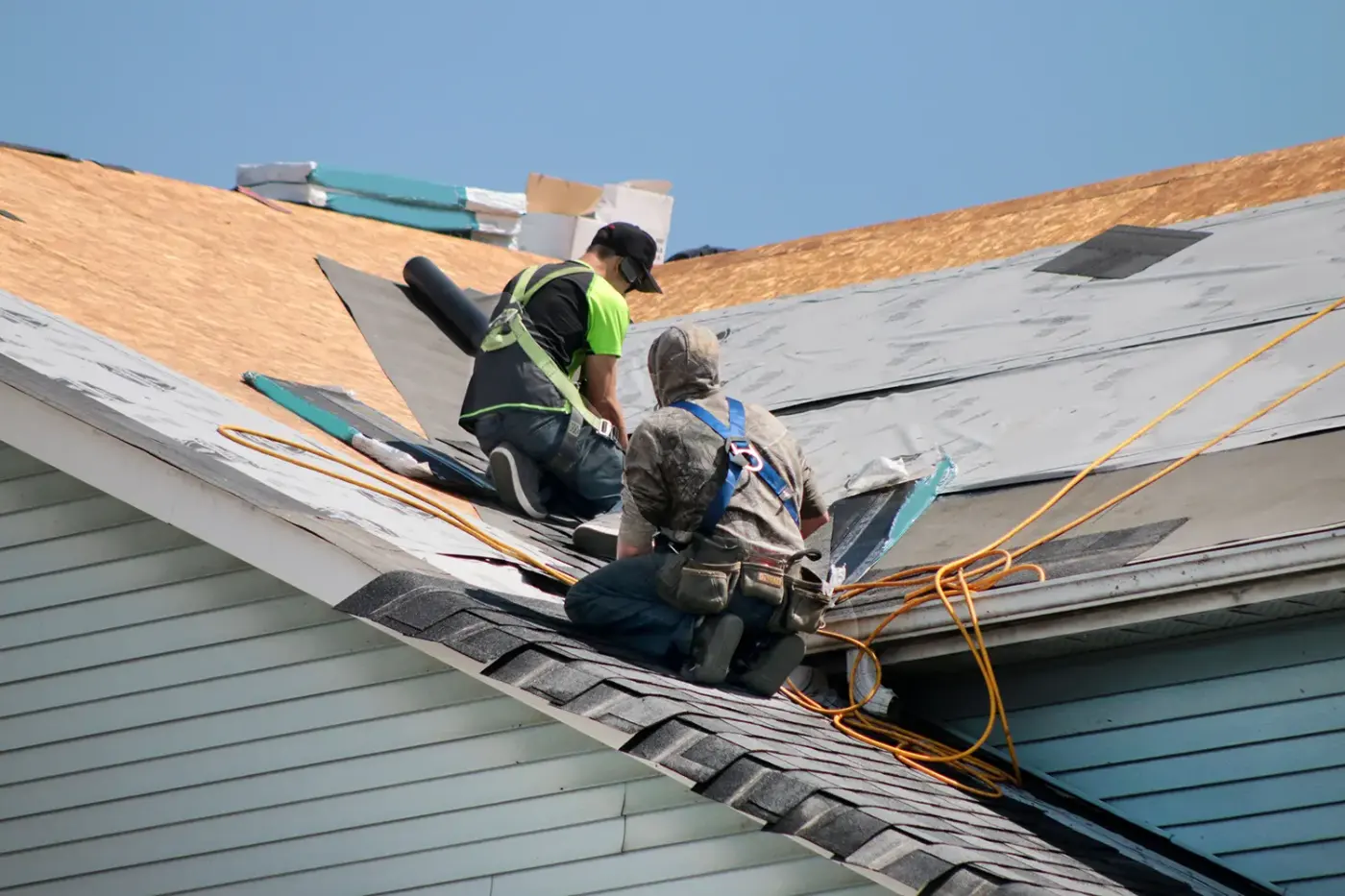
Water is dripping into a bedroom, and more rain is on the way. You need to know what a roofer can get done today. Same-day roof leak repair can include tracking down the problem, keeping more water out, and completing a permanent, localized fix when conditions allow.
At Yukor Construction LLC, we offer same-day service across Central New Jersey, including a free same-day roof inspection. Call to confirm availability for your address and let us know if water is still coming in. Ask what we can inspect, protect, or fully repair during the visit.
Does Same-Day Service Mean the Leak Will Be Fully Repaired Today?
Sometimes, but a visit today doesn’t always mean the permanent repair will be done today. The process usually has four steps. First, you contact us to arrange a visit. Then we inspect accessible areas, add temporary protection if it’s needed and doable, and finally complete a permanent repair.
With our leak detection and repair services, we find the source, explain the proposed work, and agree on the scope with you before we start.
|
Stage |
Inspection |
What affects completion |
|---|---|---|
|
Inspection |
Examining accessible areas and assessing the problem |
Access, safety, and site conditions |
| Temporary protection |
Measures intended to limit additional water entry |
Roofing material, weather, and damage |
|
Permanent repair |
Correcting the identified defect with a suitable method |
Material condition, preparation, and scope |
|
Follow-up work |
Additional agreed work when necessary |
Hidden damage, supplies, and inspection findings |
What Problems May Be Suitable for a Same-Day Repair?
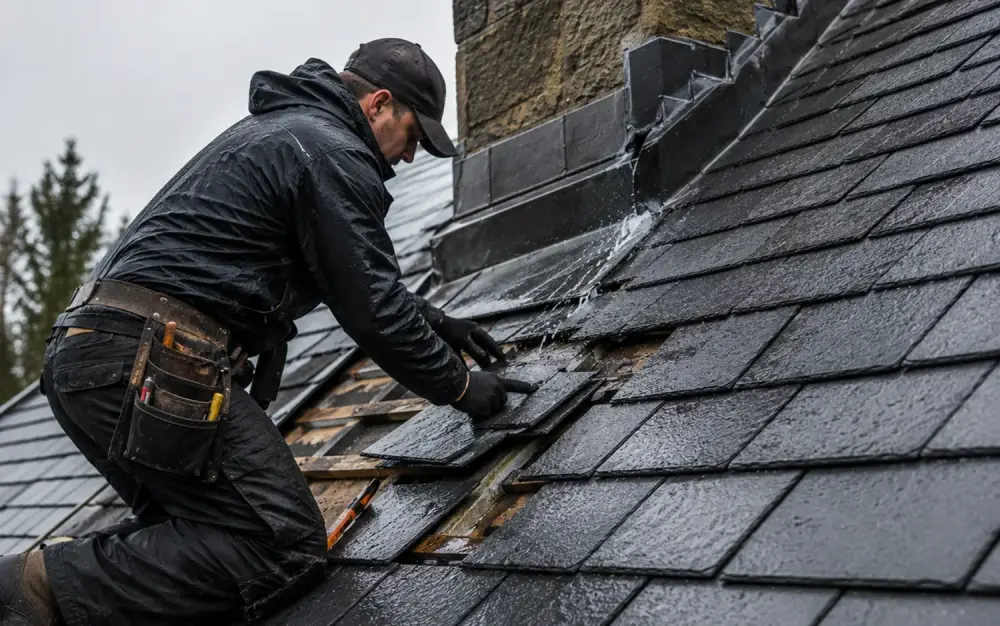
- A few damaged shingles. If the adjacent shingles can be lifted without breaking and the layers beneath are sound, a localized repair is often possible. Proper fastening and sealing still matter.
- A localized flashing or penetration problem. Flashing protects joints, and penetrations are openings for pipes or vents. We can often fix a limited defect in one visit, but damaged wood underneath or a complex connection can make the job bigger.
- A membrane puncture or limited seam defect. A membrane is the waterproof layer on many flat or low-slope roofs. To choose the right patch or seam repair, we first need to identify the roofing system and prep the surrounding material correctly.
When Might Temporary Protection Come First?
Temporary protection helps keep more water out while a permanent repair is being arranged. It often comes first when weather makes proper prep impossible, the right components need to be ordered, or opening up the affected area reveals a larger problem.
The method has to suit the roofing system and conditions. What works for shingles may not work on a single-ply membrane. Ask what the proposed measure will protect, how long it’s meant to stay in place, and what permanent work is still needed.
A stopped drip is a good sign. But if temporary protection went on, keep any follow-up appointment, even if the room stays dry afterward.
What Can Affect the Work Completed That Day?
- Weather and surface condition. Rain, frost, dirt, or trapped moisture can prevent proper preparation. Safe working conditions are essential.
- Access. Roof height, slope, and obstacles affect how safely the damaged area can be reached.
- Compatible materials. The repair needs suitable shingles, membrane, flashing, or accessories. Existing coatings and previous patches may affect which materials can be used.
- Hidden damage. Wet insulation or deteriorated decking – the supporting surface beneath the roofing – may require additional work.
- Connections and equipment. Chimneys, wall junctions, drains, and HVAC units can make a small area more involved to repair. The necessary tools and components must also be available.
- Preparation and curing. Cleaning, drying, priming, and curing requirements depend on the repair material and roofing system. Curing is the process by which a product sets or develops its required properties.
What Should You Tell Us When You Call?
- Your address and ZIP code.
- Where water appears and whether it is still dripping or spreading.
- When it started and whether it followed rain or wind.
- The roofing material, if known. It is fine to say “I’m not sure.”
- Any previous work near the affected area, including available invoices or photos.
- Pictures taken from a safe indoor location or from the ground.
- Access details, such as a locked gate, shared driveway, or restricted entry.
What Can You Do While Waiting for Help?
Move belongings out of the affected area if you can safely. Set a container under a small drip only if the ceiling looks stable and there’s no electrical hazard, and keep children and pets away.
Stay clear of sagging or bulging ceilings. If water reaches lights, outlets, or wiring, leave that area and get qualified help. From a safe spot, take photos of any visible changes and note when they happen. Leave exterior protection and repairs to the professionals.
What If More Work Is Needed After the First Visit?
Our inspection may reveal wet layers or damaged roof decking beneath an apparently small defect. If additional work is needed, ask us to explain the findings, the revised scope, and the next steps before it proceeds.
Our internal drain and surrounding membrane restoration project illustrates the work a localized repair may require. This project included preparing the affected area, restoring the surrounding membrane, and installing drainage components.
Before our team leaves, confirm what was completed, what remains, and who to contact if water appears again.
FAQ
Get Help With an Active Leak