
Can Your Roof Be Repaired, or Is It Time to Replace It?
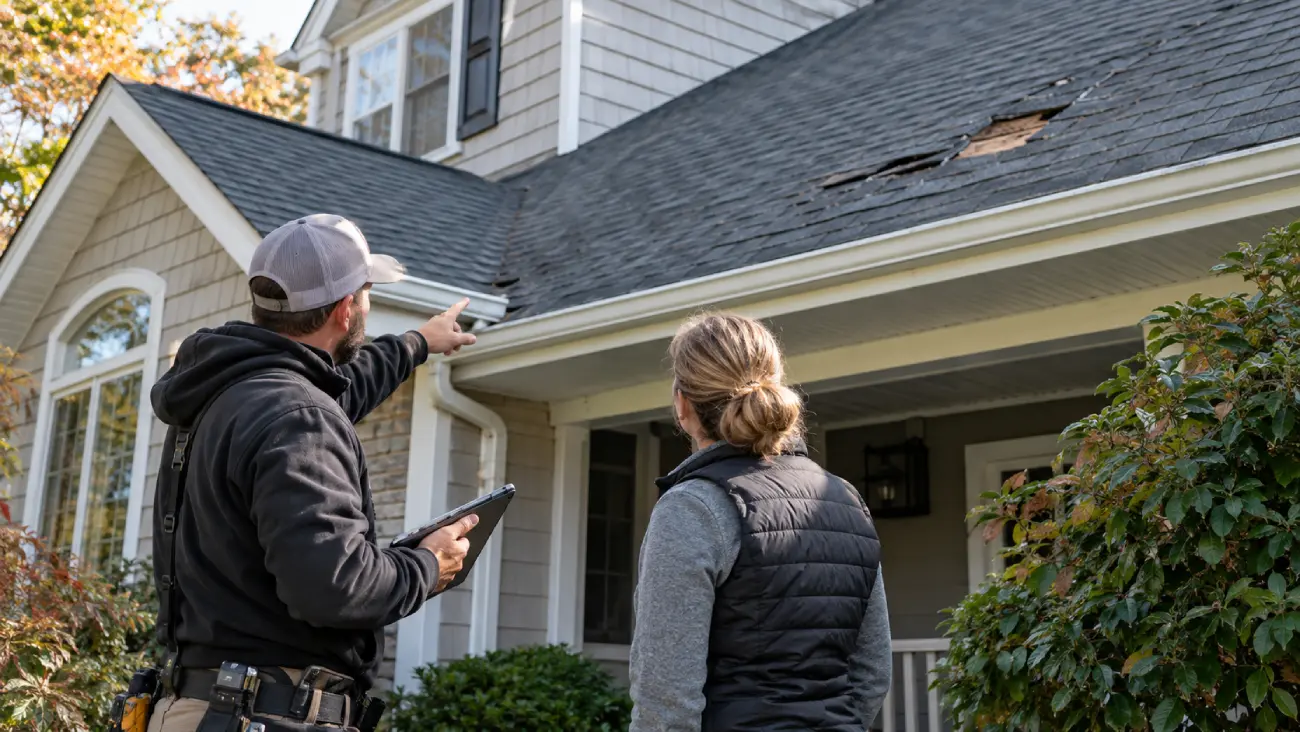
Replacing an entire roof is expensive. So is repairing it over and over. How do you choose the right option, especially when one contractor recommends patching the damaged area and another insists on a full replacement?
This article walks through what goes into that decision and looks at two real projects in New Jersey: one where repairs saved the existing roof and another where replacement was the only option. It’ll help you compare contractors’ proposals and figure out which work is worth paying for.
When Is Roof Repair Enough?
- The damage is limited to one area. A few shingles might have blown off, for example, or a crack might have formed near a chimney. If the rest of the roof is sound, replacing the entire covering usually isn't necessary. But damage in several areas can point to widespread deterioration.
- The surrounding materials are in good condition. The roofing around the damaged area shouldn't be crumbling, cracking, or peeling. Otherwise, securing the new materials will be hard, and the repair might not last.
- The water entry point can be found and repaired. Water doesn't always come into a room directly below the damaged part of the roof. It can get in through a gap near the chimney, travel beneath the roofing, and leave a ceiling stain somewhere else. That's why the contractor needs to find where water actually gets in, instead of just patching the roof above the stain.
- The underlying layers can stay in place. Beneath the covering are the deck and other parts of the roof assembly. If they're wet, rotting, or no longer structurally sound, a patch alone won't cut it. To check their condition, a professional inspects the roof from below where there's access, or opens a small section of the covering.
- Compatible repair materials are available. Each roofing material needs its own repair method. A patch for a thermoplastic membrane, for example, has to match its composition and joining method. The wrong material might not adhere properly or create a watertight connection.
Not sure whether a localized repair will be enough for your roof?
Even a small crack can hide serious damage beneath the roof covering. If you need roof repair in New Jersey, our team can inspect your roof, check the materials, and figure out what work it needs. Need same-day roof leak repair? Just ask about availability when you reach out.
Signs You Need a New Roof or More Extensive Repairs
Some types of roof damage point to problems that a simple patch cannot fix. Here is how to tell if you need a new roof or a more thorough assessment before deciding.
Damage Across Multiple Areas of the Roof
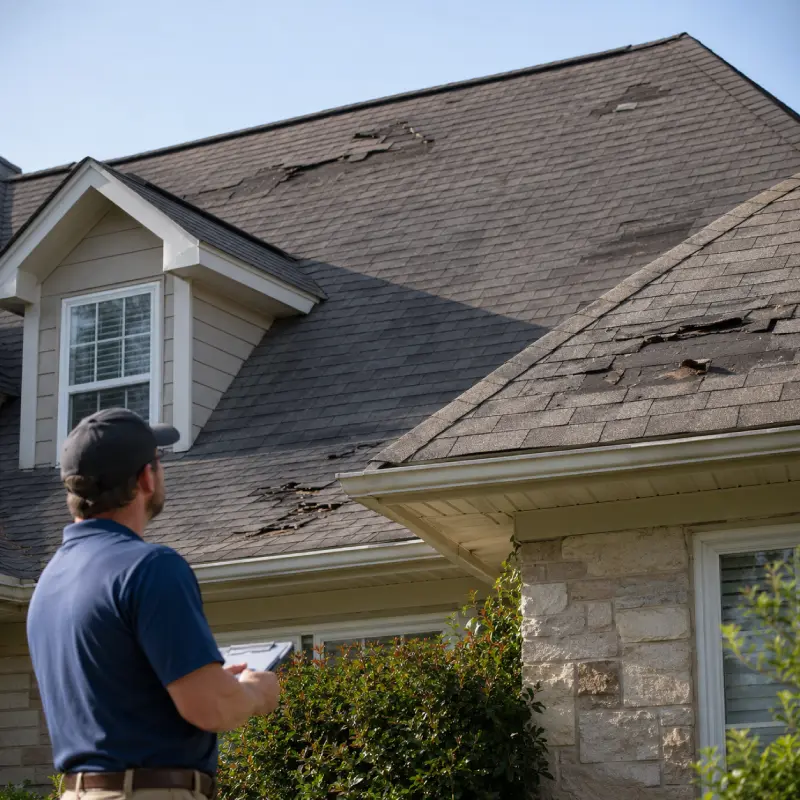
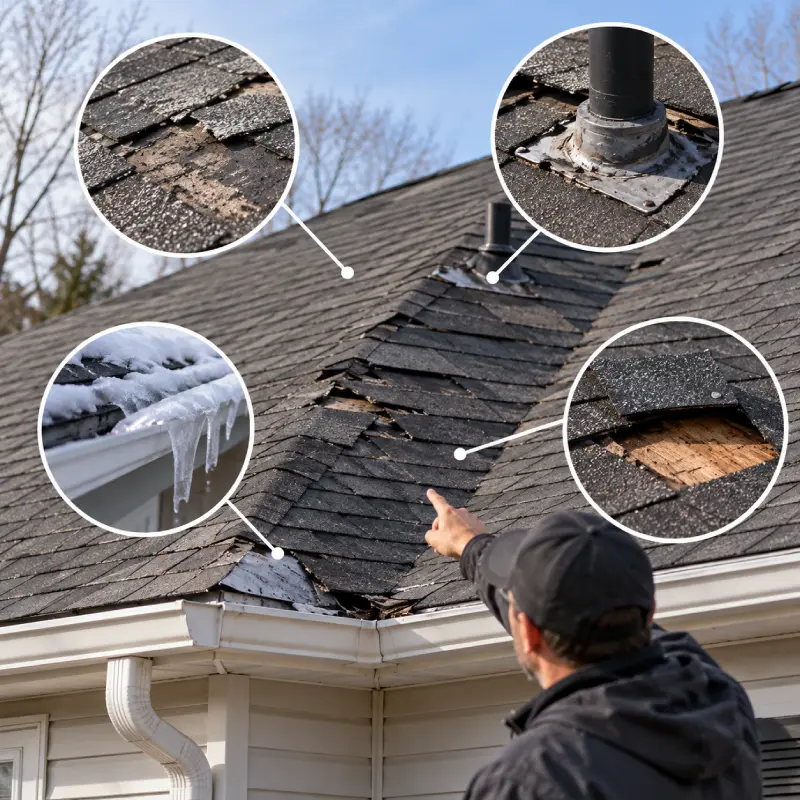
If the cracking is limited to one spot, replacing the damaged section is often enough. But cracks across several roof slopes can mean the materials are breaking down throughout the roof. Then localized repairs won’t do much good, because leaks can develop elsewhere over time.
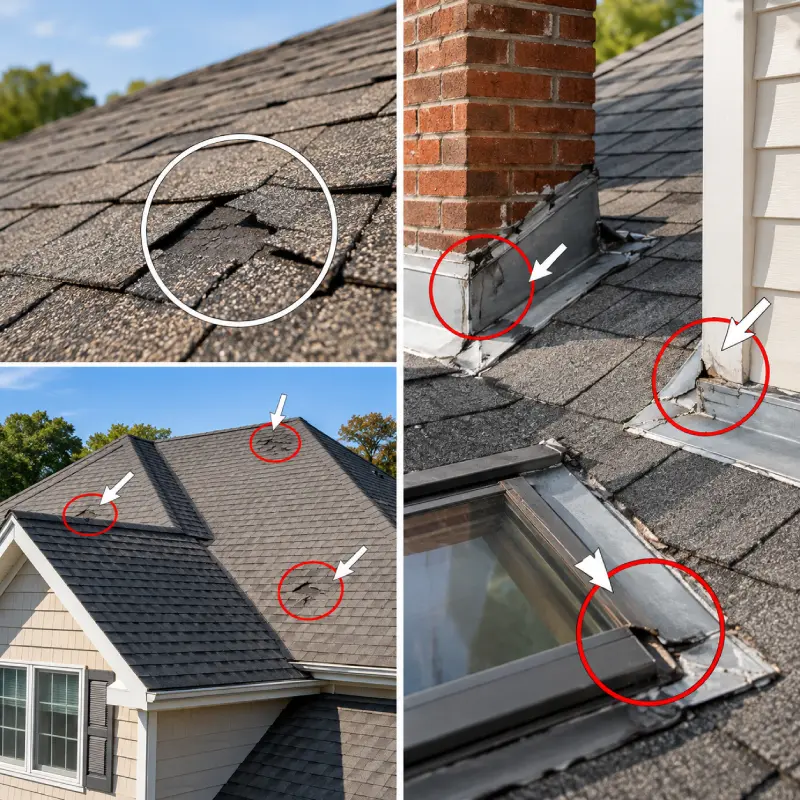
Widespread Problems With Seams and Flashing
Wet Insulation or a Damaged Roof Deck
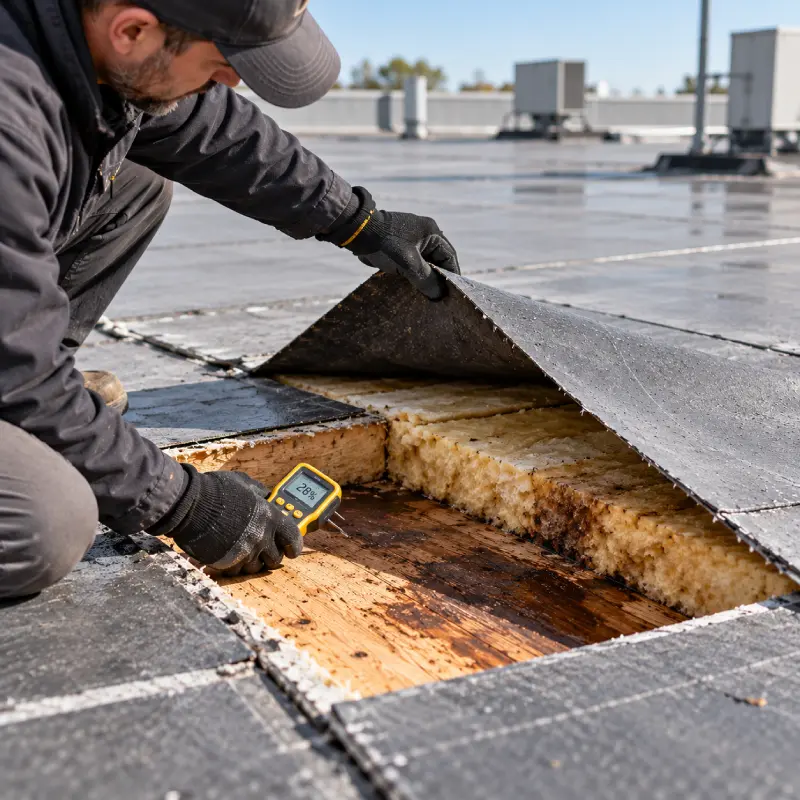
Water can enter through cracks or other damage and soak the insulation or roof deck. This is a particular concern on flat roofs, where moisture can become trapped beneath the watertight covering and dry out slowly. Over time, insulation can lose some of its thermal performance, and wood decking can begin to rot.
Simply covering the crack with a patch is therefore not enough. The contractor needs to determine how far the water has spread. This may involve moisture testing or opening a small section of the roof.
Recurring Leaks and Widespread Deterioration
If your roof leaks again after a repair, there are several possible reasons:
- The original source of the leak was not fixed. For example, a crack above a ceiling stain may have been patched even though water was entering the roof somewhere else.
- The repair did not hold. A patch may have come loose, or water may be entering through a poorly sealed joint.
- New damage has occurred. Strong winds may have torn shingles off another area. In winter, ice buildup along the roof edge can force water beneath the covering.
- The roof is extensively worn. Aging materials gradually crack and lose their ability to keep water out, allowing leaks to develop in different areas.
In the first three cases, a localized repair may still be enough. But when the covering is worn across a large area, replacing individual pieces is unlikely to provide a lasting solution.
Materials That Can No Longer Be Reliably Repaired
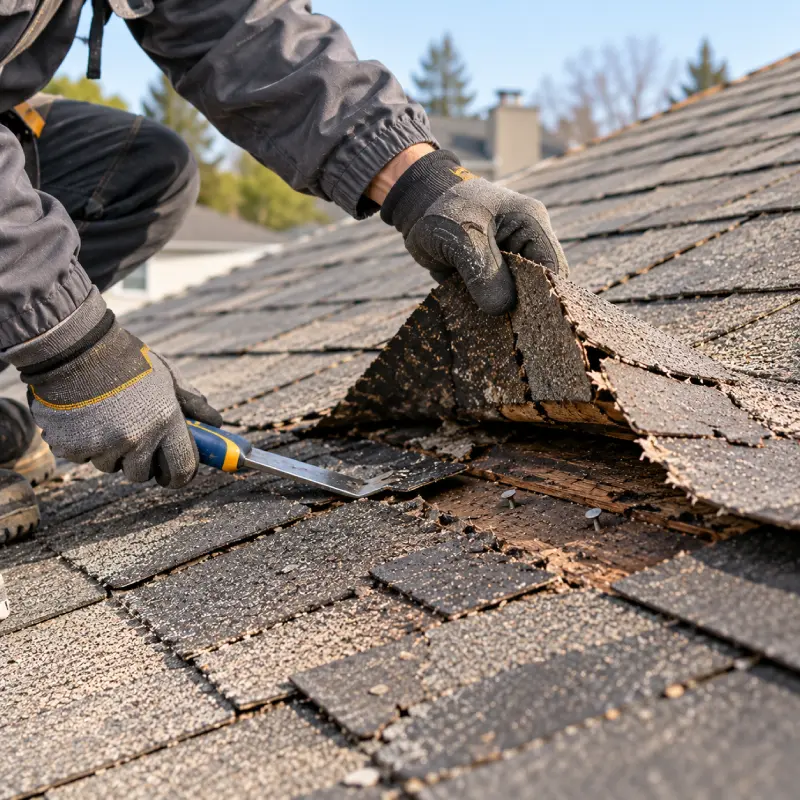
For a repaired area to stay watertight, the new materials have to form a reliable connection with the existing covering, and that’s hard to do when the roof is badly worn.
When replacing asphalt shingles, for example, the roofer needs to lift neighboring shingles to reach the fasteners. If those shingles have turned brittle, they can crack during the work. Flat roofs come with a different challenge: an old membrane might no longer hold an adhesive or heat-welded patch well enough to keep water out.
Sagging or Suspected Structural Damage
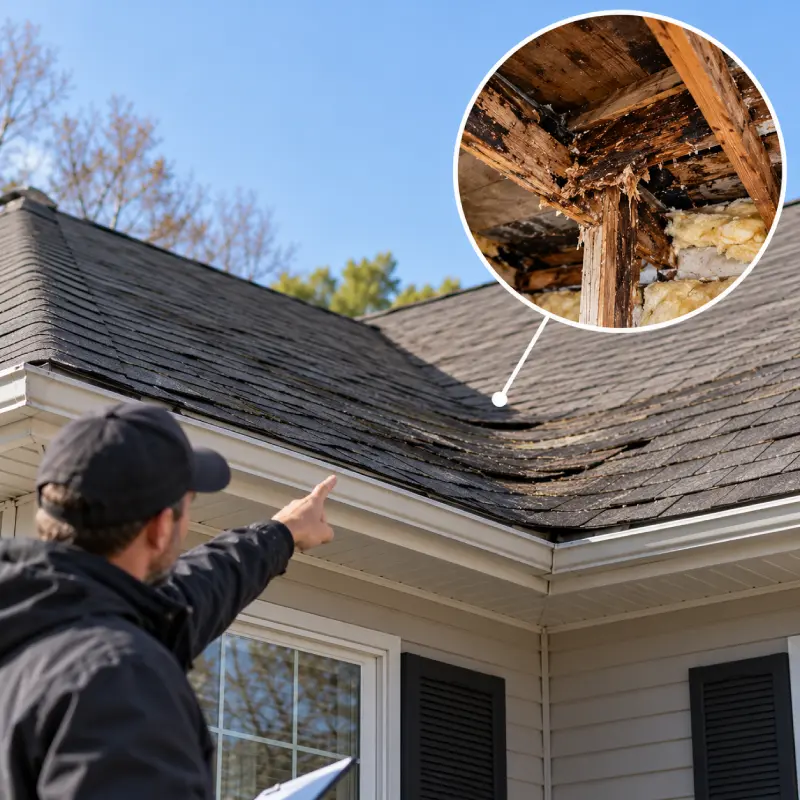
If the roof visibly sags, looks uneven, or has a sunken area, prolonged leaks may be the cause. Moisture can cause wood components to rot and lose strength. Other possible causes include damaged rafters or excessive loads from accumulated snow.
Replacing shingles or a membrane will not solve these problems. If load-bearing components are damaged, a structural engineer may need to assess them and recommend repairs or reinforcement.
Tip: Do not install a new covering over the old one until the cause of the sagging has been identified. The added weight increases the load on damaged rafters. This can cause further deformation or even a partial collapse.
How to Know if You Need a New Roof: Is Age Alone Enough?
No. A roof’s age helps put its wear into context. For example, according to InterNACHI, standard asphalt shingles last about 15–20 years, architectural shingles about 22–30 years, and metal roofing about 40–70 years.
The closer a roof covering is to the end of its expected service life, the more likely a localized repair is to be a temporary solution.
However, the roof’s actual condition matters too: even a newer covering may need replacement because of installation errors or severe damage.
So, how do you know if you need a new roof?
Age needs to be considered alongside other factors:
-
The type of roofing material and its current condition.
-
The quality of the original installation.
-
Maintenance and repair history.
-
Exposure to wind, rain, snow, and temperature changes.
-
The condition of the roof deck and underlying layers.
Take two New Jersey homes built in the same year but maintained very differently. At one, a small problem near the chimney got fixed right away. At the other, water seeped in through a hidden gap for years. By the time we inspect them, the roofs can be in very different shapes.
If you have records of the roof installation and previous repairs, share them with your contractor. They can show which materials were used and what work has already been done. But deciding between repair and replacement requires an on-site roof inspection.
Roof Repair, Roof Restoration, Partial Replacement, or Full Replacement?
The choice is not always limited to roof repair or replacement of the entire system. Depending on the materials and damage, a contractor may consider four options:
|
Option |
What it includes |
What needs to be checked |
|---|---|---|
| Localized roof repair |
Fixing a specific defect or damaged area. |
The source of the problem and the condition of the surrounding materials. |
| Roof restoration | Surface preparation, necessary repairs, and a suitable restoration system. | Whether the existing roof is suitable for restoration and the materials are compatible. |
| Partial replacement | Replacing a specific area or part of the roofing system. | Whether the new materials can be reliably connected to the sections that remain. |
| Full replacement | Replacing the existing roofing system within the agreed scope of work. | The roof’s overall condition, any work needed on underlying layers, and the reasons for replacement. |
How Do Repairs Differ for Shingle and Flat Roofs?
Each roofing material has its own characteristics and limitations that affect the repair approach.
Asphalt Shingle Roofs
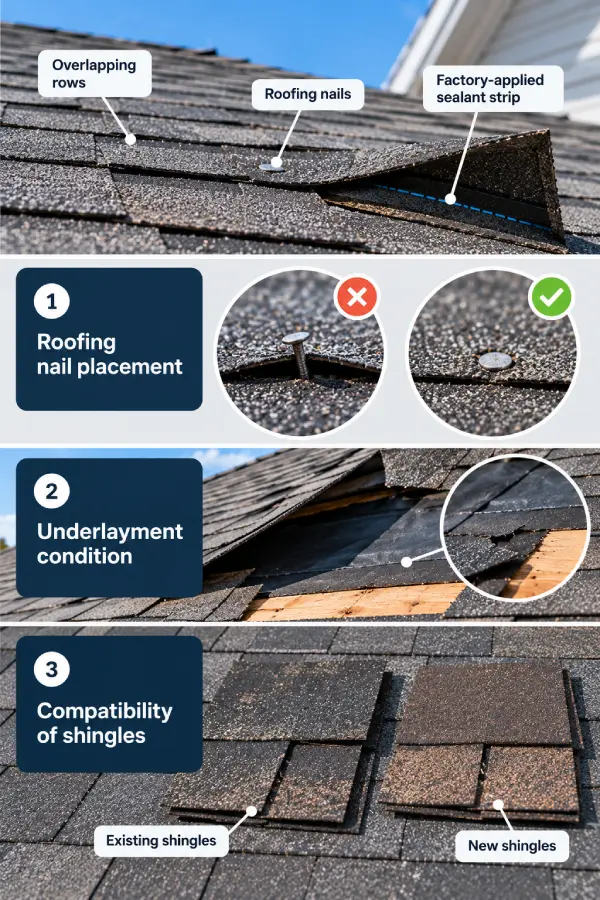
- Roofing nail placement. An incorrectly placed or protruding nail can lift a shingle or damage the one above it. Correcting the fastening and restoring a watertight seal may be enough to address the problem.
- The condition of the underlayment. Beneath the shingles is an additional layer of protection against water. It is especially important on lower-slope roofs and near the eaves, where ice can build up in winter. If this layer is damaged, it needs to be repaired as well.
- Compatibility between new and existing shingles. The shingles need to match in size, shape, and fastening method. Even shingles of the same color can differ in thickness and construction.
EPDM, TPO, and Torch-Applied Modified Bitumen Roofs
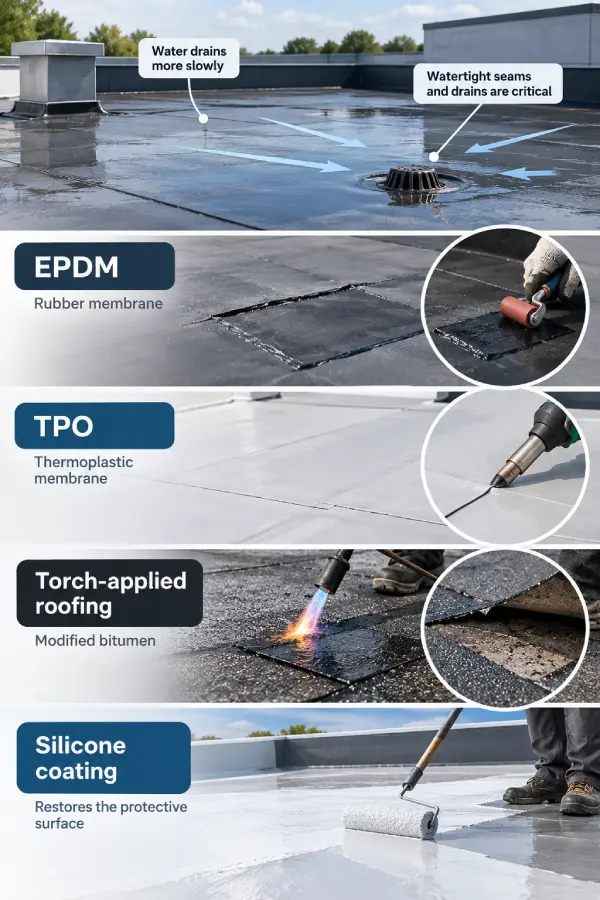
On flat roofs, water drains more slowly, so watertight seams and functioning drains deserve particular attention. The repair method depends on the roofing material:
- EPDM is a rubber membrane. Punctures and tears are covered with patches secured using compatible adhesive or tape. The surface is cleaned and primed first.
- TPO is a thermoplastic membrane. Patches are heat-welded with hot air. Once the welds have cooled, a seam probe is used to check their integrity.
- Torch-applied roofing uses modified bitumen sheets. Cracks and tears are patched with compatible bituminous material bonded using heat. If the covering has blistered or separated from the layer below, the damaged section is removed first so the underlying layers can be checked.
Real Projects: Why Similar Problems Can Require Different Solutions
Two Yukor Construction projects in New Jersey show how much the work can differ, even when both property owners initially called about a leak.
Englishtown: Repairs and a Silicone Coating
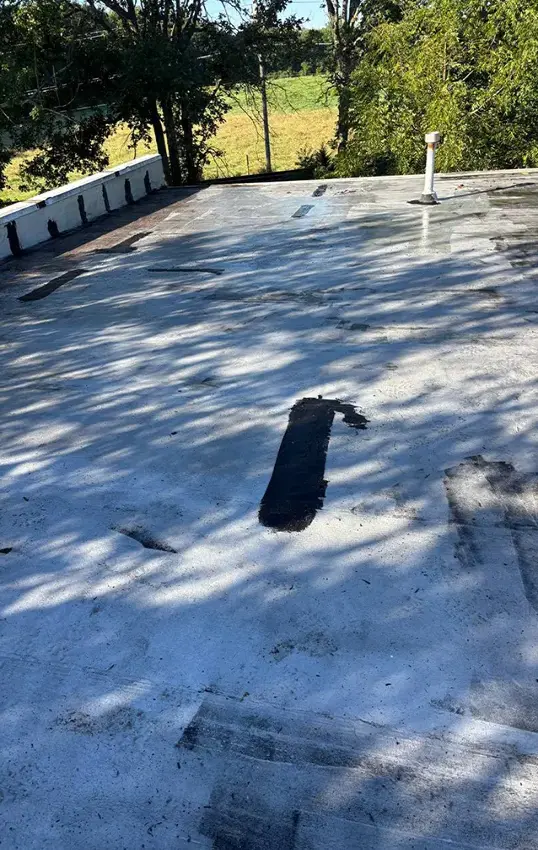
An aging torch-applied roof was leaking. It had deteriorated seams and several previous patches. Areas around HVAC equipment, vents, and parapet walls also needed attention.
The Yukor team prepared the surface, repaired the damaged areas, and treated vulnerable seams and flashing details. The crew then applied a white silicone coating.
The existing roof was preserved. After repairs, its surface was covered with a continuous protective layer. Another property may require a different approach, even if the visible damage looks similar.
Plainfield: Tear-Off and TPO Installation
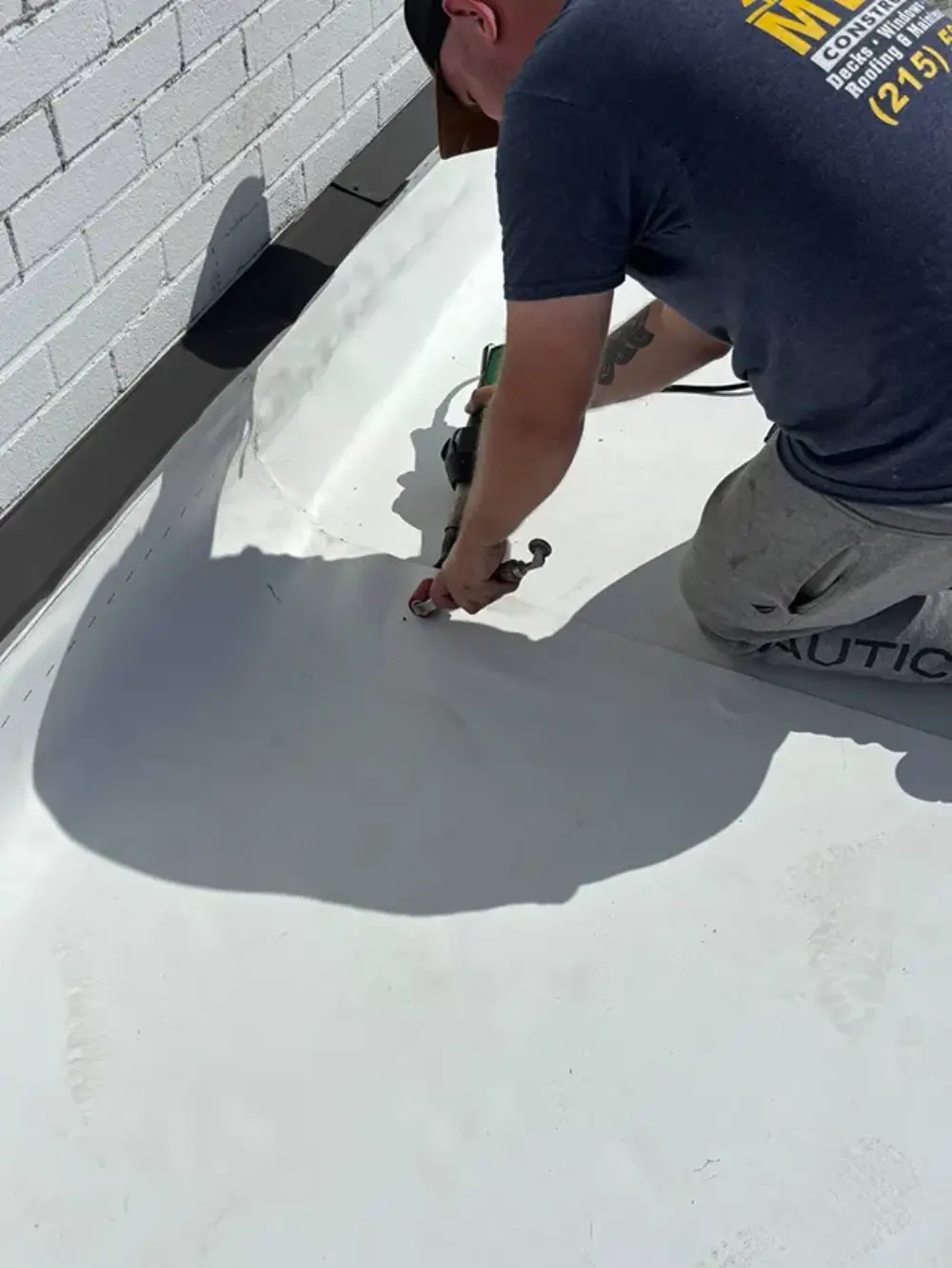
At this commercial property, the torch-applied roof was leaking and had deteriorated to the point that it needed to be removed. Damaged wood decking was also discovered during the work.
The Yukor team removed the old covering and damaged section of decking, prepared the substrate, and installed rigid roofing boards and a new TPO membrane. The work included welding the seams, flashing the walls, finishing the roof edges, and detailing the connection to the existing drain.
The worn covering was replaced with a TPO system, restoring waterproofing across the entire project area.
Take time to understand your options before committing to expensive work. Yukor Construction can help assess your roof’s condition, identify the causes of damage, and recommend a suitable repair approach. You will learn what work is needed and what it may cost.
Get a free preliminary estimate. Submit a request, and we will contact you to discuss the problem and next steps.
What Should You Ask a Roofing Contractor Before Work Begins?
- Why is the roof leaking? Have you pinpointed the exact spot where water gets in beneath the covering?
- Which parts of the roof are damaged? Can you show me photos and explain how worn the rest of the roof covering is?
- Have you checked the materials beneath the roof covering? Do you see any signs of wet insulation, rotting decking, or damaged rafters?
- Why do you recommend this approach? Could you replace only the damaged sections instead of the entire roof?
- What other options do I have? What would each one cost, and how much longer would you expect the roof to last afterward?
- What's included in the price? Does it cover removal of the old roofing, new materials, flashing repairs, debris removal, and cleanup?
- What happens if you find hidden damage after the covering comes off?How will you calculate additional costs and get my approval?
- What warranties will I get? How long does your workmanship warranty last, and what does the material manufacturer's warranty cover separately?
- What documents will you provide? Will I get a written estimate, a contract describing the work, and any required permits?