

Why Waterproof Deck Systems Matter in New Jersey Weather?
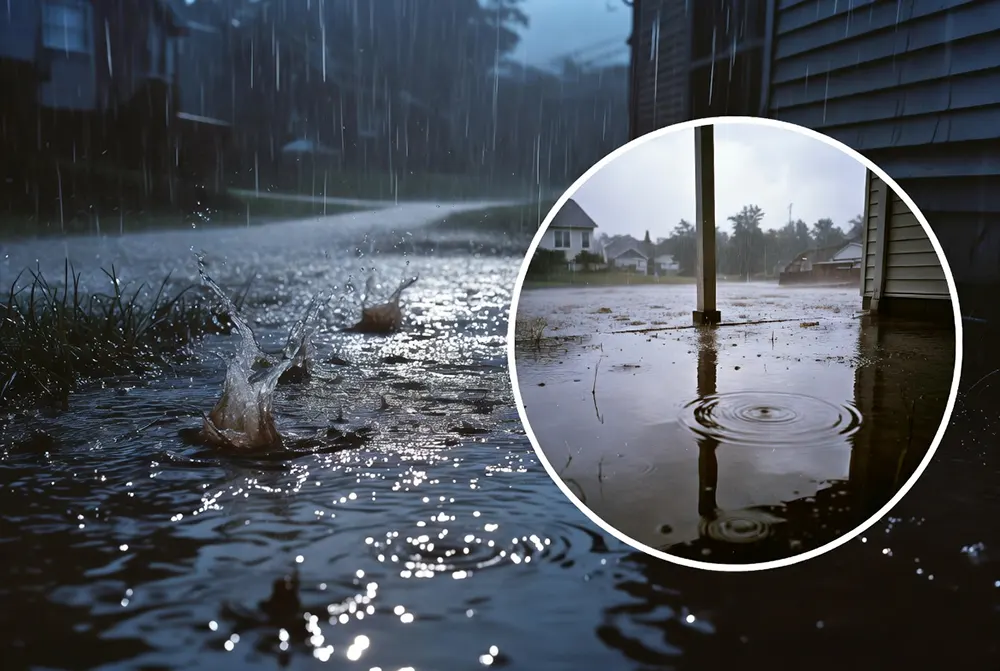
Traditional wood structures do not hold up well in New Jersey’s climate. Frequent rain, high humidity, and melting snow quickly work through the gaps between boards. Once moisture reaches the framing underneath, rot, mold, stains, and early leaks can appear within only a few seasons.
A waterproof deck system creates a continuous protective layer that keeps water away from joists, beams, and subflooring. In this guide, our deck waterproofing New Jersey specialists explain how long these systems can realistically last and what hidden warning signs to look for before minor moisture issues become expensive repairs.
How New Jersey Weather Affects Outdoor Decks and Balconies?

New Jersey weather is especially tough on exposed outdoor structures. Heavy rain and melting snow push water into small cracks, seams, fastener holes, and board gaps. When temperatures move above and below freezing, trapped moisture expands and contracts. Over time, this freeze-thaw movement weakens wood fibers, loosens hardware, and causes gradual surface and framing deterioration. Near the coast, salt air adds another layer of stress by accelerating corrosion around railings, screws, and metal connectors.
Summer conditions create a different problem. Strong UV exposure dries out wood, leading to fading, shrinkage, and fine cracks. Wind-driven rain then forces moisture into places that would normally stay dry, while humidity slows evaporation beneath the structure. As a result, the underside of the boards and framing can stay damp for days. That combination of rain, sun, salt, and humidity is why elevated deck waterproofing and a reliable waterproof deck system are practical long-term solutions for New Jersey homes.
Why Water Is the Biggest Threat to Deck Structures?
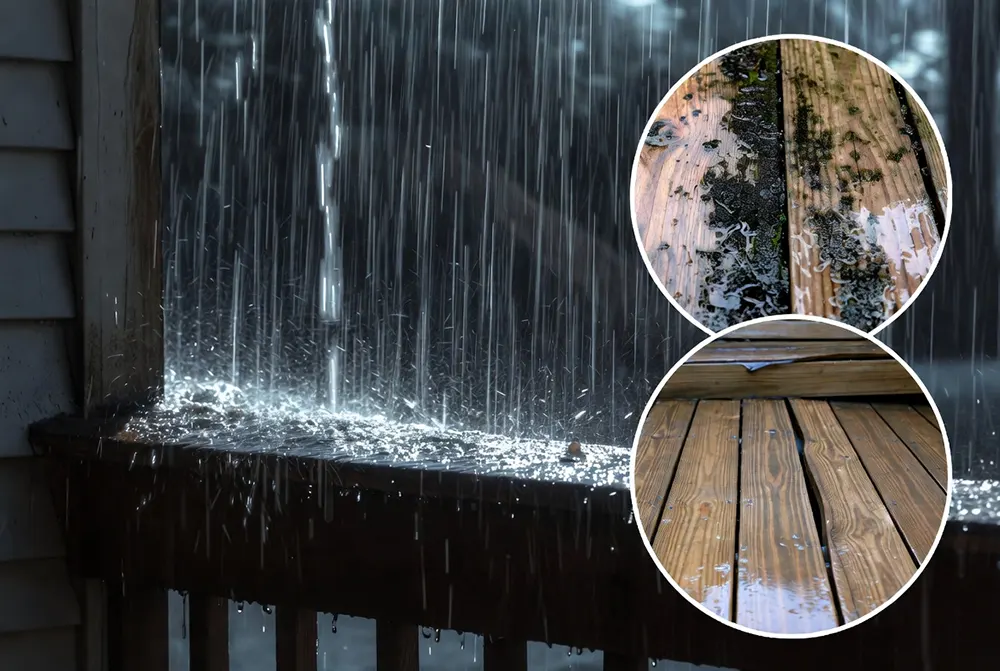
Hidden moisture is one of the most serious threats to any raised outdoor platform. From the surface, everything may look stable, so homeowners may continue using the area without realizing the framing has already started to weaken. Eventually, boards can flex underfoot, fasteners can lose their hold, or the supporting structure can lose strength. This is why concealed water damage is often more dangerous than visible cracks or peeling coatings: it usually stays unnoticed until repairs are no longer simple.
Persistent dampness also creates favorable conditions for mold, mildew, and wood rot. The issue becomes especially expensive when second story deck waterproofing fails. In that situation, leaks may damage the ceiling below, stain drywall, ruin interior finishes, affect furniture, and create indoor mold concerns. Repairs often require opening large sections of the surface to reach the damaged framing. Depending on the severity, restoration can cost several thousand dollars or more.
Cost Comparison — Roofing Work Before vs. After Solar Installation
Without reliable deck waterproofing, New Jersey homeowners commonly face the following problems:
| Cause | Result |
|---|---|
| Freeze-thaw cycles and frequent temperature swings |
Cracked deck boards and surface warping |
| Moisture trapped beneath the decking combined with UV exposure | Peeling, blistering, or delaminating deck surface |
| Moisture damage causes the deck surface to become uneven | Standing water remains on the deck long after it rains |
| Mold, mildew, and algae growth | Creates a slippery surface – especially after rain – making slips and falls much more likely |
| Water penetrating through the decking | Leaks into the space below, interior mold, and water damage beneath second story deck waterproofing systems |
| Hidden wood rot in the structural framing | Soft or spongy deck boards that flex underfoot and may eventually fail |
These problems develop gradually, but fixing them is often expensive and disruptive.
What Is a Waterproof Deck System?
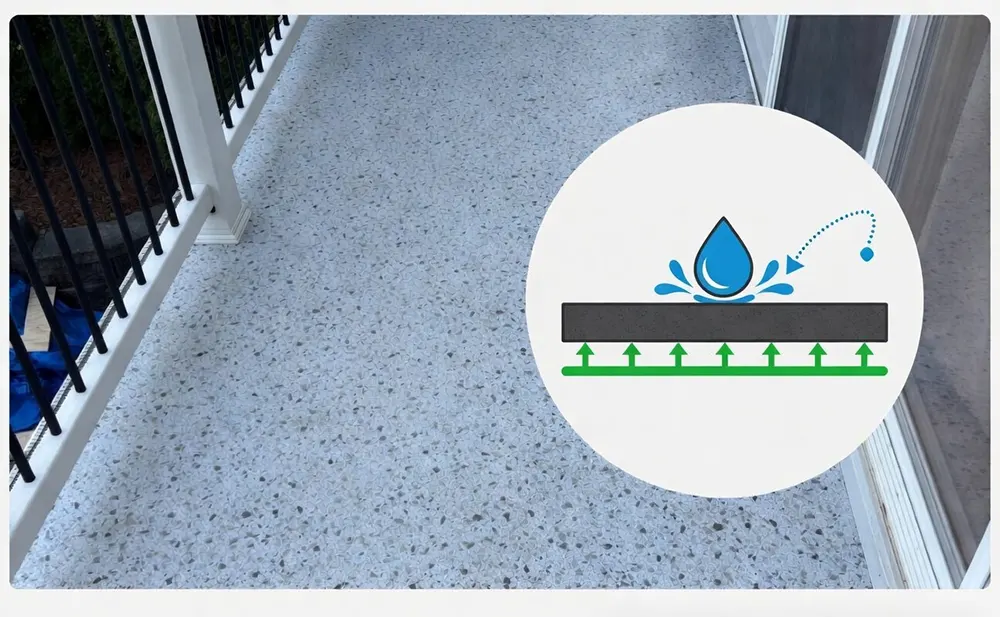
A waterproof deck system turns a standard outdoor floor into a protected assembly where the walking surface and waterproofing layer work together.
At the center of the installation is a waterproof vinyl deck membrane, typically 60–68 mil thick. This multi-layer material includes a UV-resistant textured wear layer, a reinforced fiberglass or polyester core for dimensional stability, and a backing layer that bonds securely to the substrate.
Here’s how we install it:
- A solid 3/4-inch exterior-grade plywood subfloor is prepared as the base.
- The vinyl membrane is bonded across the full area with professional-grade contact adhesive.
- Seams are heat-welded to create a continuous watertight barrier, often stronger than the membrane itself.
- Transitions around walls, posts, doors, edges, and flashing are sealed and heat-welded for full waterproof protection.
The surface is built with a slight slope – usually 1/8 to 1/4 inch per foot – so water drains away instead of soaking into the structure below.
If you are ready to stop worrying about leaks and protect your investment, contact our deck waterproofing New Jersey specialists. We repair leaking outdoor surfaces and install durable waterproof vinyl systems built for long-term performance.
Why Waterproof Vinyl Decking Works Better in New Jersey
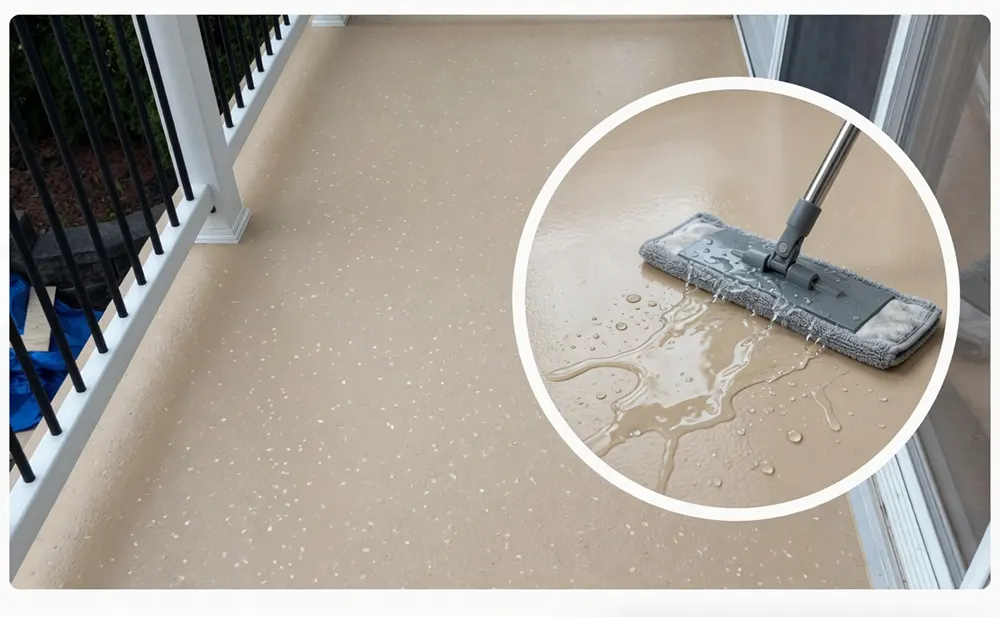
Wood and many composite materials gradually absorb moisture and need regular sealing or staining. A waterproof vinyl deck, by contrast, creates a seamless watertight surface with no open gaps for rainwater to enter. These systems perform especially well in New Jersey’s coastal areas, where humidity and salt air quickly shorten the service life of traditional materials. Maintenance stays simple: rinse the surface with water a few times a year. There is no need to paint, stain, or reapply protective coatings.
A high-quality vinyl membrane offers several key advantages:
- Outstanding tear resistance for heavy foot traffic and accidental impacts.
- Strong UV resistance that helps preserve color and surface condition.
- A textured, slip-resistant finish that improves traction after rain or snow.
- Cold-weather flexibility that allows the material to handle freezing temperatures and repeated freeze-thaw cycles without cracking.
Why Second-Story Decks and Balconies Need Waterproof Protection
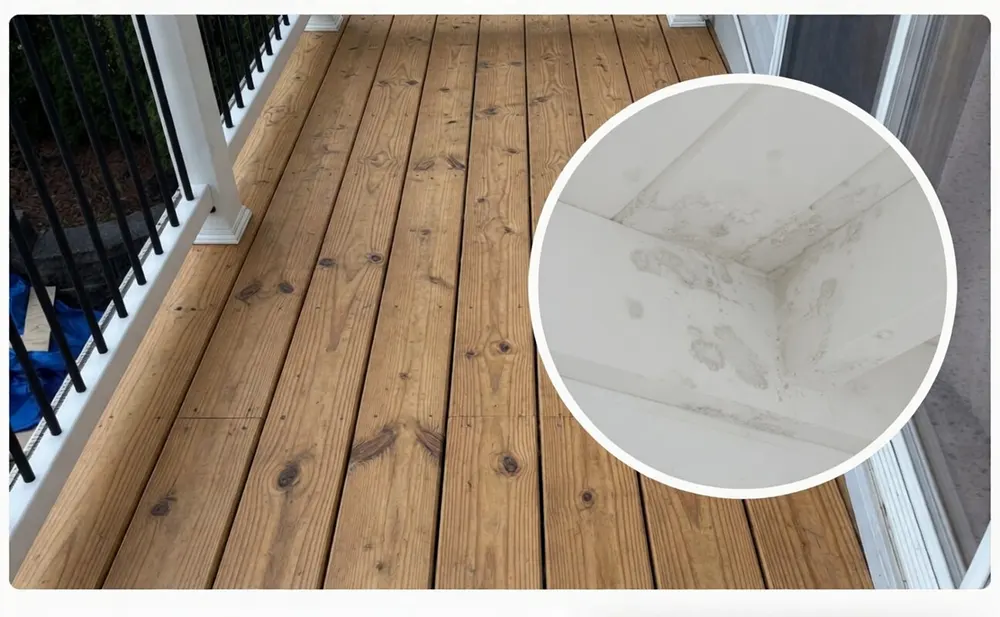
Leaks are most common on second-story platforms and elevated balconies. When water gets through a conventional surface, it can damage the ceiling below and eventually reach the living area inside the home. The result may include water stains, mold growth, damaged drywall, ruined finishes, and in some cases electrical problems.
A properly installed second story deck waterproofing system helps homeowners avoid these repairs. In New Jersey, fixing water damage beneath an elevated structure can cost anywhere from hundreds to many thousands of dollars, depending on how far the moisture has spread. By keeping water away from the framing, a waterproof deck system reduces the need for repeated repairs, replacement of rotted boards, and ongoing maintenance.
For balconies and raised outdoor areas, balcony waterproofing directs rainwater safely off the surface instead of allowing it to collect or seep into the structure. It protects the space below from leaks and lets homeowners use that area even during rainy weather.
How Waterproof Deck Systems Help Prevent Structural Damage
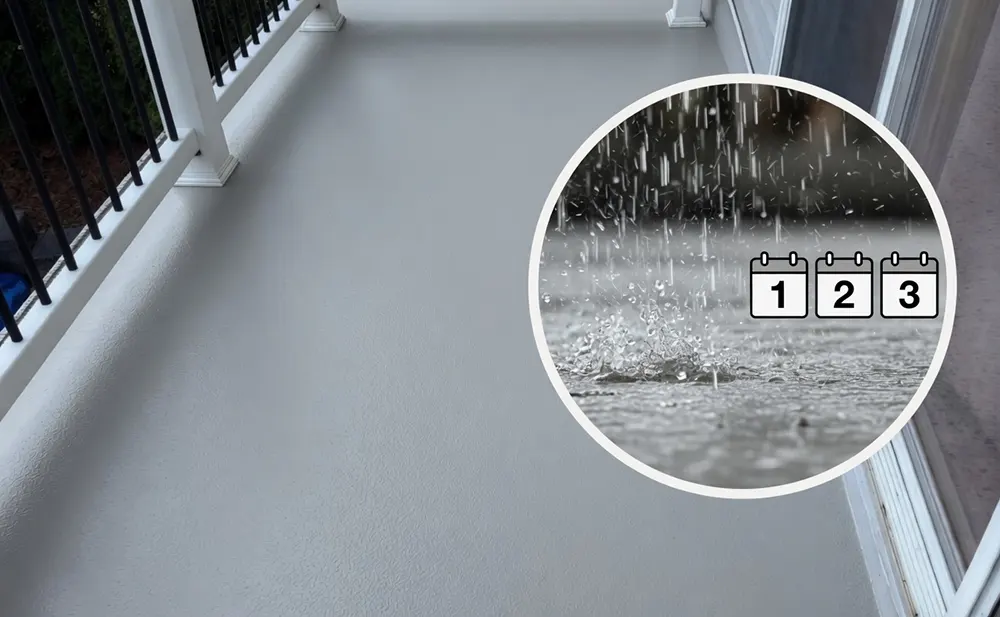
A traditional wood structure in New Jersey often lasts about 10–15 years. By comparison, a high-quality waterproof vinyl deck with a professionally installed vinyl membrane can provide 25–30 years or more of reliable waterproof protection.
The biggest advantage is not always visible. A waterproof deck system keeps moisture away from joists, beams, plywood, and metal fasteners. Even after days of heavy rain or prolonged snowmelt, the supporting frame remains dry.
As a result:
- The structure is far less likely to sag, shift, or develop squeaks over time.
- Metal fasteners are better protected from corrosion.
- Structural integrity is preserved for longer.
- The risk of expensive framing repairs and full tear-outs is significantly reduced.
Best Waterproof Deck Solutions for Coastal and Rainy Areas
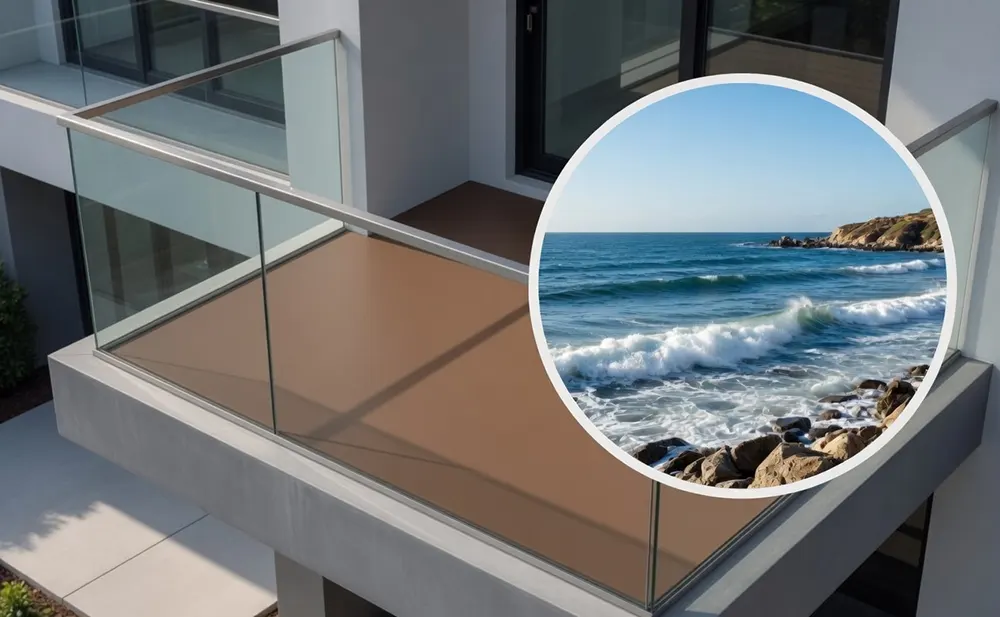
In coastal New Jersey, humidity, salt air, and frequent heavy rain put constant stress on outdoor structures. Traditional wood decking – and even many composite products – can quickly lose their appearance and strength in these conditions. By contrast, a waterproof deck system with a PVC vinyl surface performs far better. Because the membrane is fully synthetic and contains no wood fibers, it does not absorb moisture or support mold growth the way natural materials can. It is also highly resistant to salt exposure, so coastal air has little effect on performance.
These systems are especially recommended for:
- Second story deck waterproofing, where leaks can damage the living space below.
- Balconies connected directly to the home's interior, where balcony waterproofing is essential.
- Waterfront homes, where exposure to salt air and moisture is highest.
Signs Your Deck May Already Have Water Damage
-
Water remains on the surface for more than 4–6 hours after rainfall.
-
Dark streaks or stains appear along seams or where the structure meets the house.
-
Certain areas feel soft, springy, or uneven underfoot.
-
Rust stains develop around railings, screws, or fasteners.
-
The top layer begins peeling, bubbling, or lifting around the edges.
-
Damp spots or condensation appear on the ceiling below after rain.
-
Doors become difficult to open or close, or nearby flooring starts to warp.
-
A persistent musty odor remains even during dry weather.
Wood Decks vs Waterproof Deck Systems in Harsh Weather
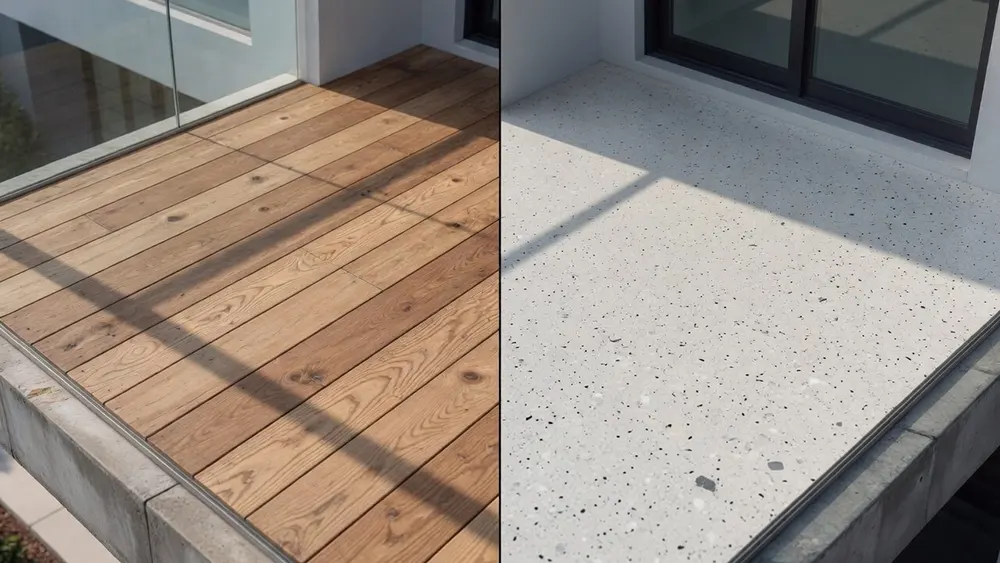
| Feature | Traditional Wood Decking | Waterproof Vinyl Deck System |
|---|---|---|
| Maintenance | High (painting, staining, sealing) |
Low (occasional cleaning) |
| Moisture Resistance | Poor | Completely waterproof |
| Expected Lifespan | 10–15 years | 25–30+ years |
| Water Protection | Limited | Fully watertight |
| Repair Frequency | Frequent | Infrequent |
| Performance in New Jersey's Climate | Deteriorates quickly due to moisture and salt air | Engineered to withstand coastal New Jersey conditions |
Why More Homeowners in New Jersey Are Choosing Waterproof Vinyl Deck Systems

- First, they save time. Instead of spending weekends painting, staining, sealing, or fighting mold, homeowners usually need only a quick wash once or twice per season to keep the surface looking clean.
- Second, they offer predictable long-term costs. With a quality vinyl membrane, you make a one-time investment and can expect 25–30 years of dependable performance with minimal maintenance. A clean, professionally installed outdoor living area can also make a property more attractive to future buyers.
- Third, they provide peace of mind. A sudden rainstorm is less likely to interrupt a family gathering or an outdoor meeting with clients. A properly installed waterproof decking system keeps the surface usable in most weather conditions while protecting the living space below from water intrusion.
- Just as importantly, waterproofing turns an exposed area into a more functional outdoor living space – one that is ready for entertaining family, friends, or guests without constant concern about leaks, stains, or surface damage.
- Ultimately, deck waterproofing helps transform a maintenance-heavy structure into a long-term home improvement that adds comfort, functionality, and value.
Professional Waterproof Deck Installation in New Jersey
If you are tired of fixing the same moisture problems every few years, it may be time for a long-term solution.
We provide a full range of deck waterproofing services – from detailed inspections of existing structures to installation of high-performance waterproof deck systems. We specialize in balcony waterproofing and second story deck waterproofing, where even a small leak can lead to costly interior damage. Using premium vinyl membrane systems, we design every project around the home’s layout and New Jersey’s demanding climate. We also repair and replace aging or failed outdoor surfaces.
Our team sees firsthand how New Jersey weather affects exposed structures. Contact us today for a professional consultation, and let us help you protect your outdoor space with a solution built to last.
FAQ
Most residential installations take 2–5 days, depending on the size of the area, weather conditions, and whether framing or substrate repairs are needed first.
Some companies market combined packages, but separating the work is often safer for the homeowner.
Roofing and solar installation involve different trades, different responsibilities, and different warranty obligations.
If leaks or structural movement appear later, determining liability becomes much more complicated when multiple services overlap.
A safer sequence is:
- complete all roofing work first;
- inspect and approve the finished roof;
- proceed with solar installation afterward.
This approach creates clear responsibility for each contractor and reduces future disputes.
No. Unlike wood surfaces that need regular staining and sealing, waterproof vinyl typically requires only periodic cleaning with water and mild detergent.